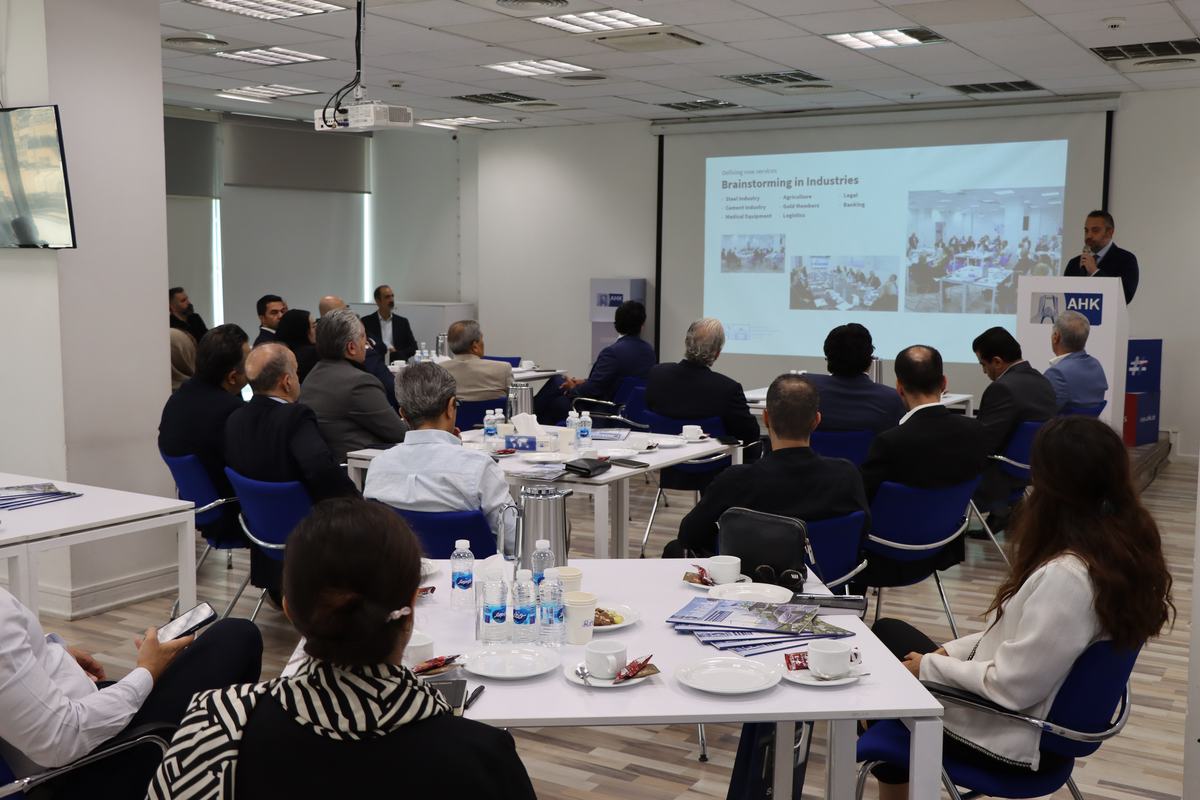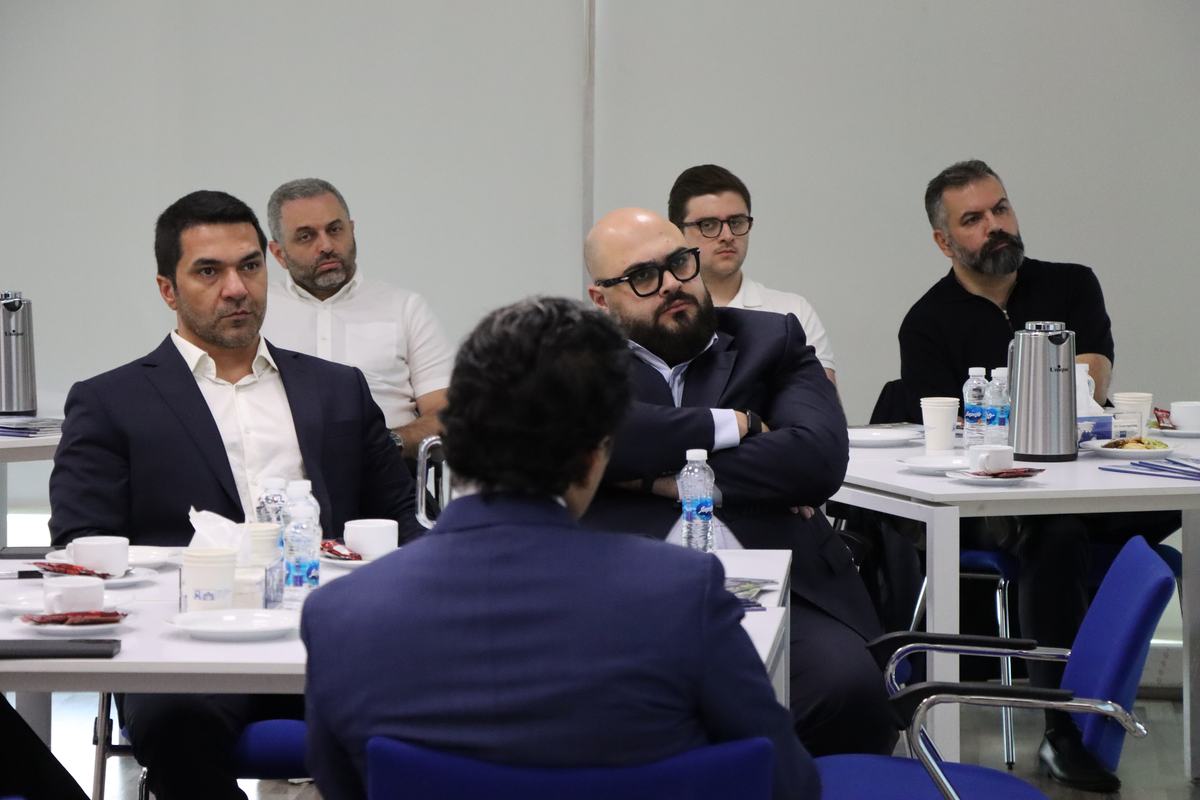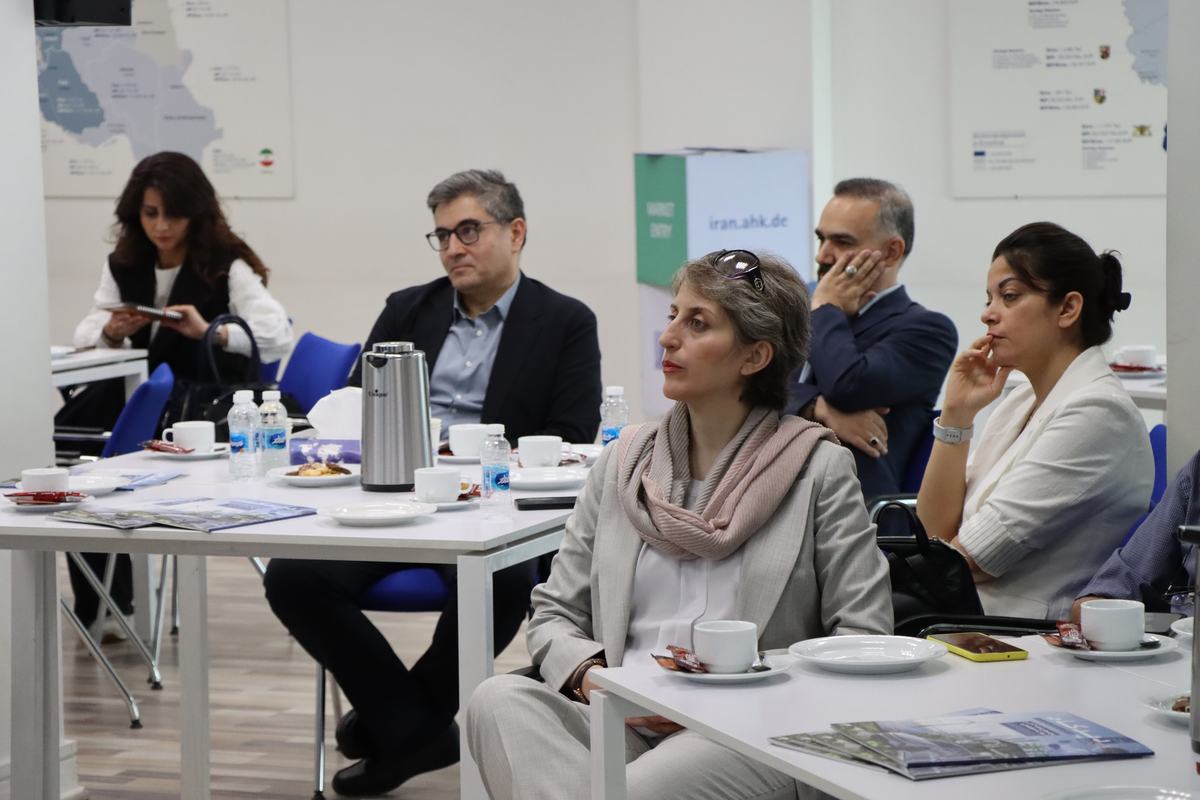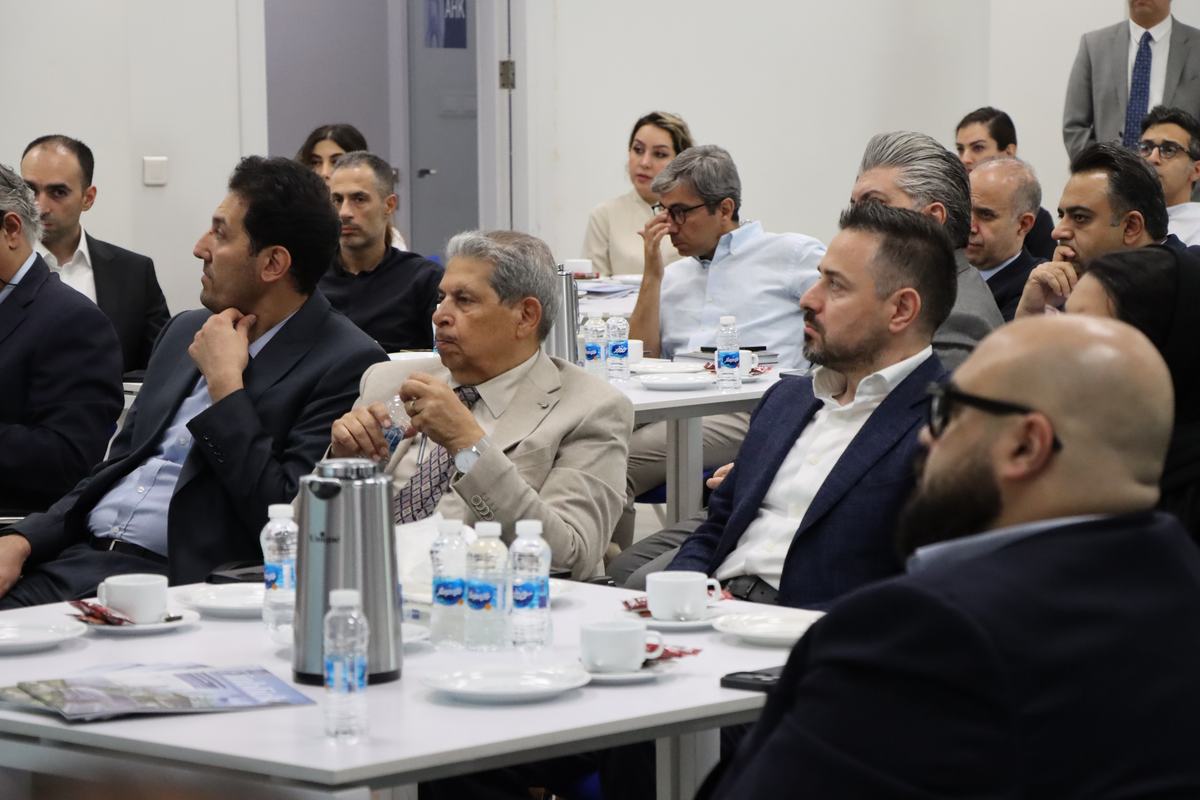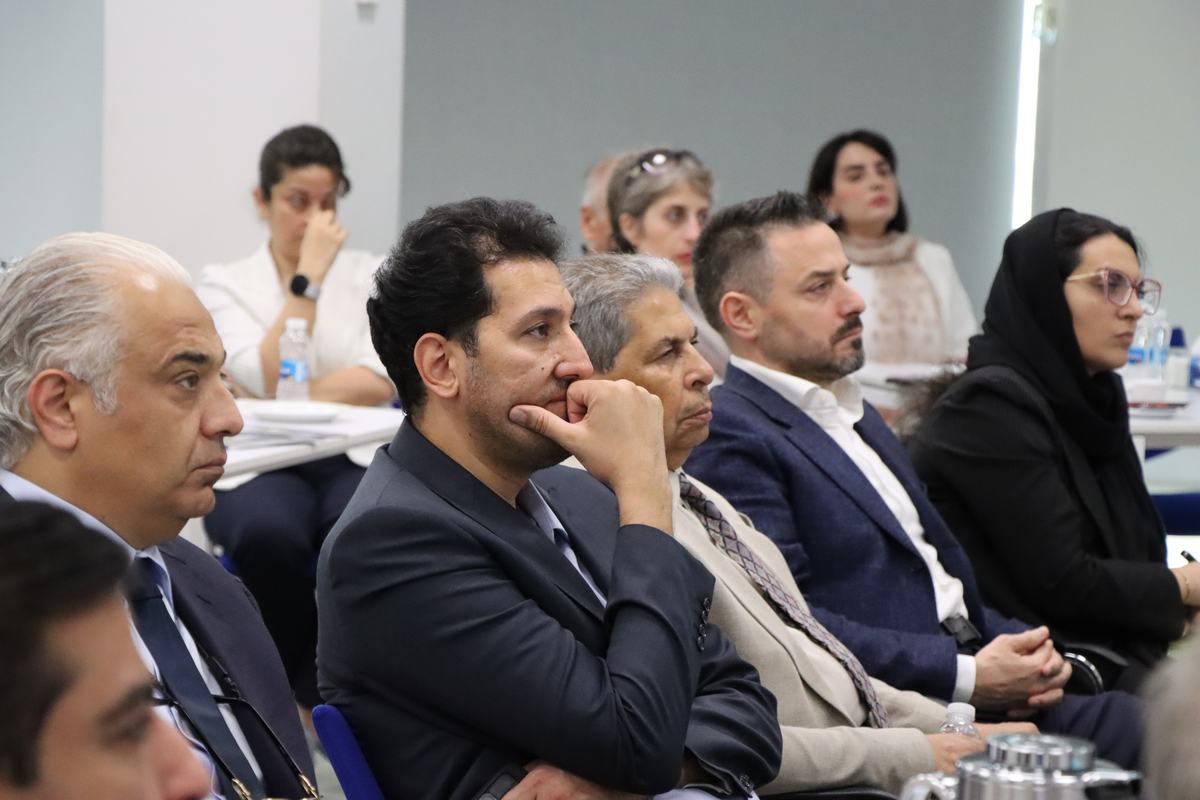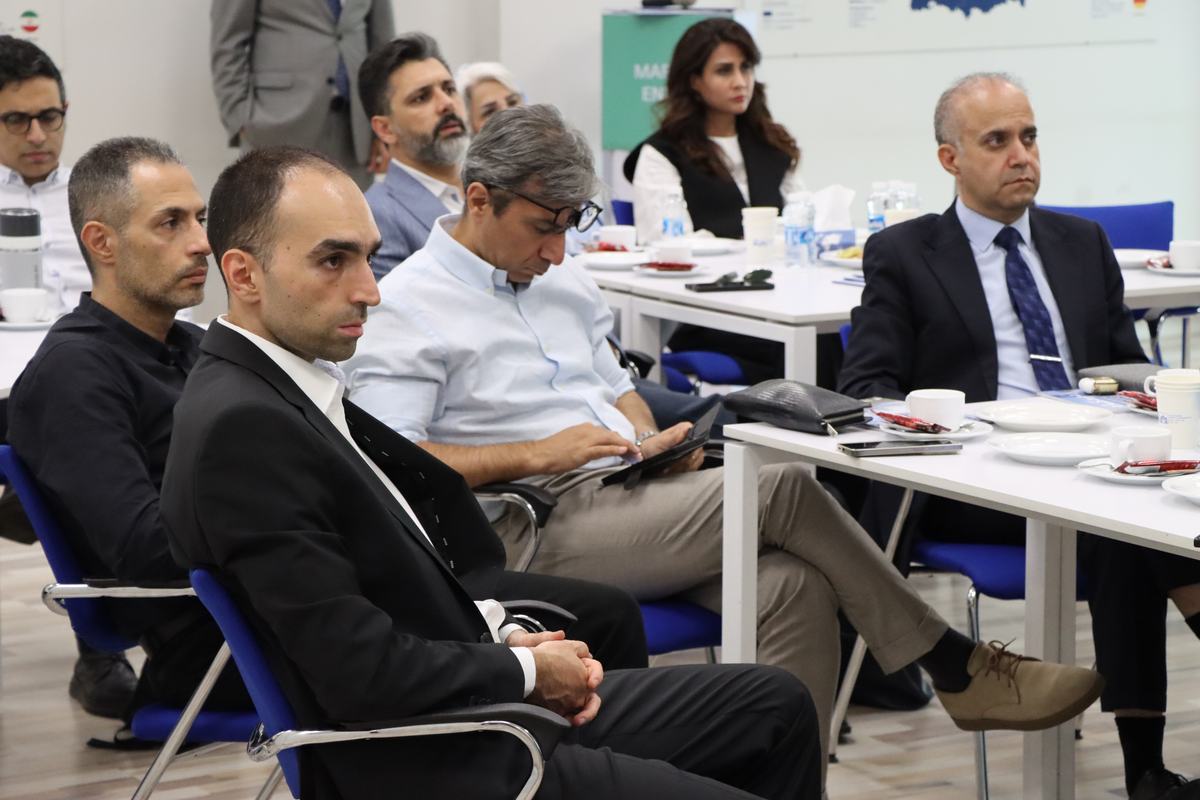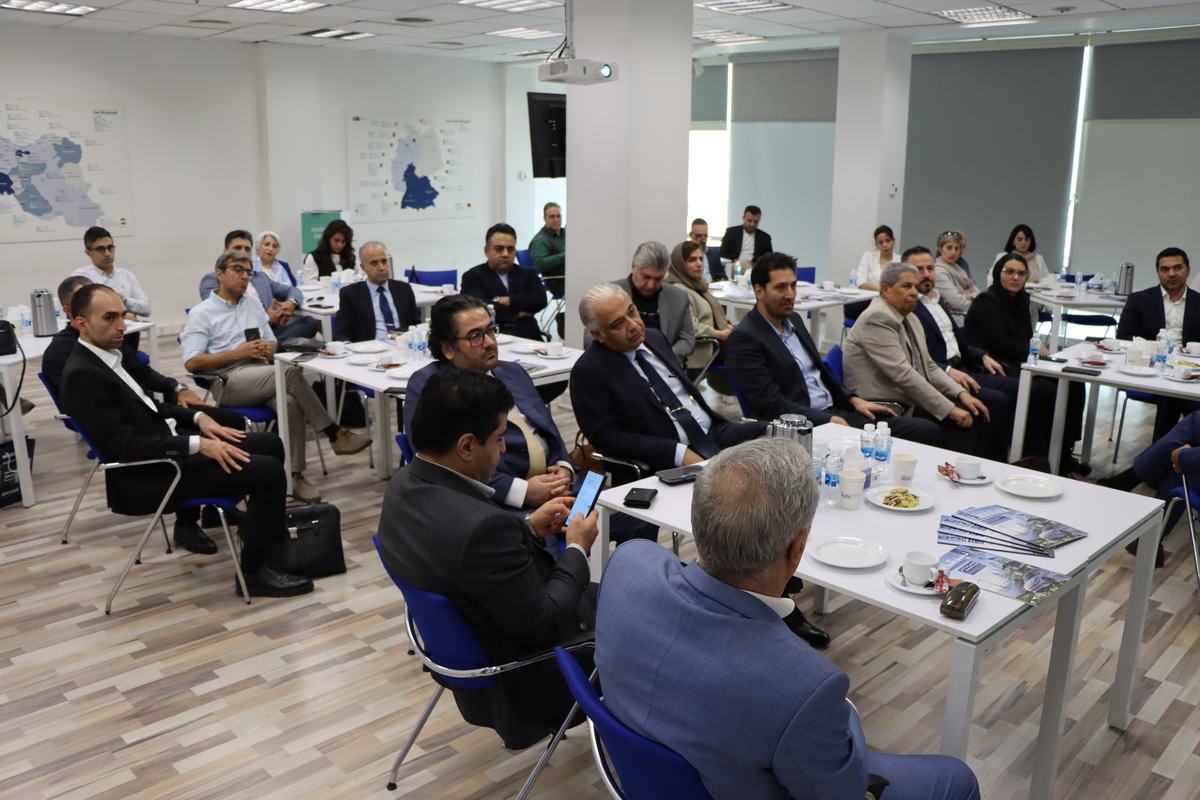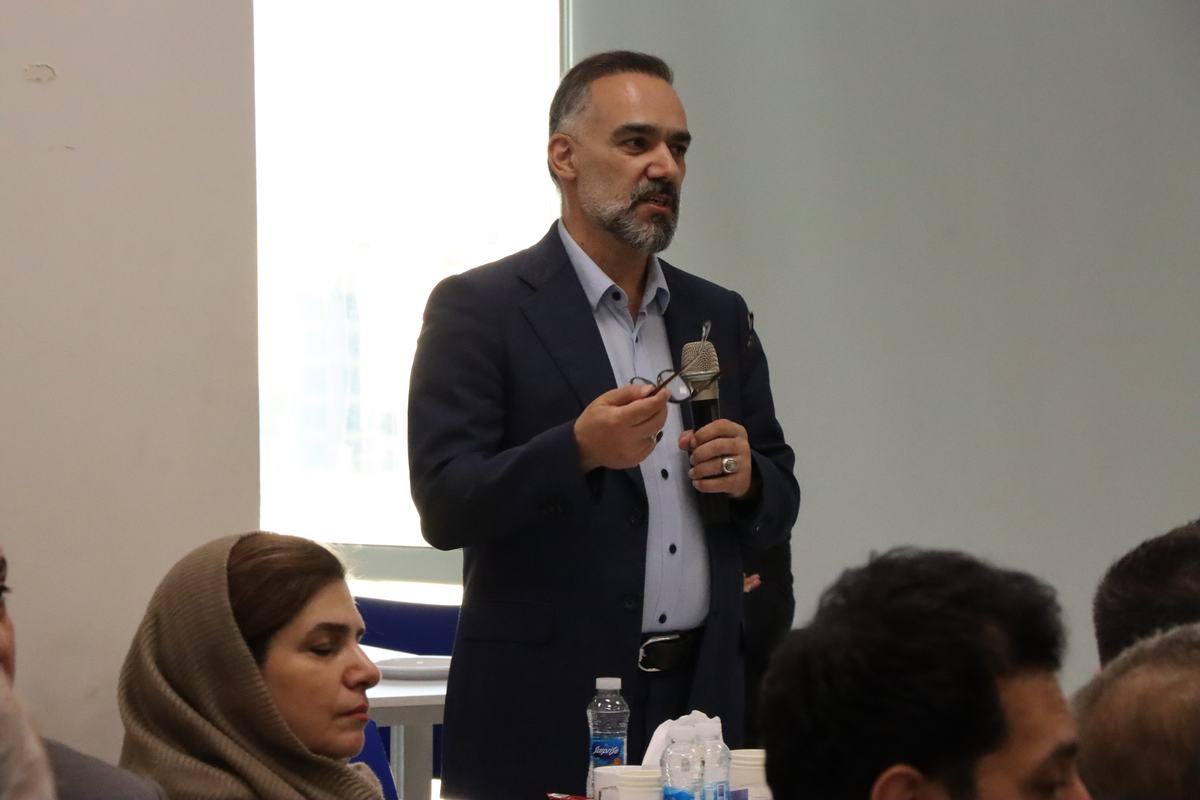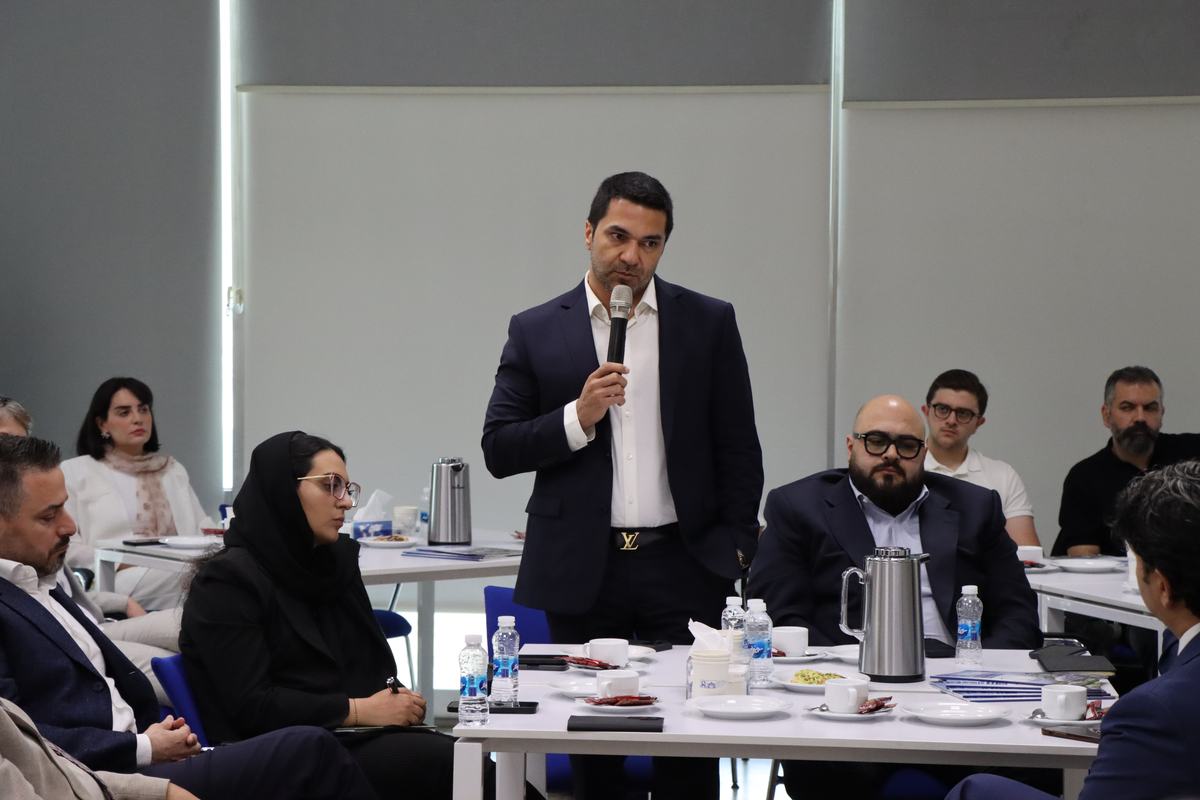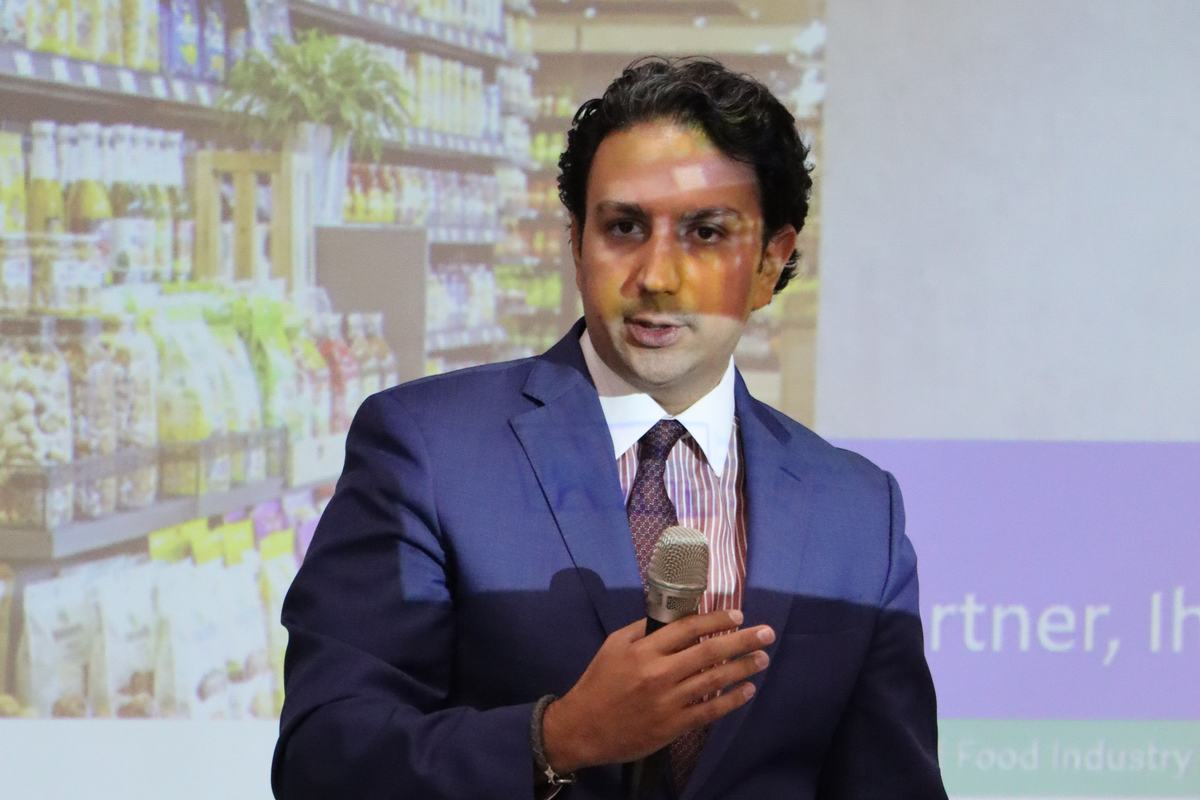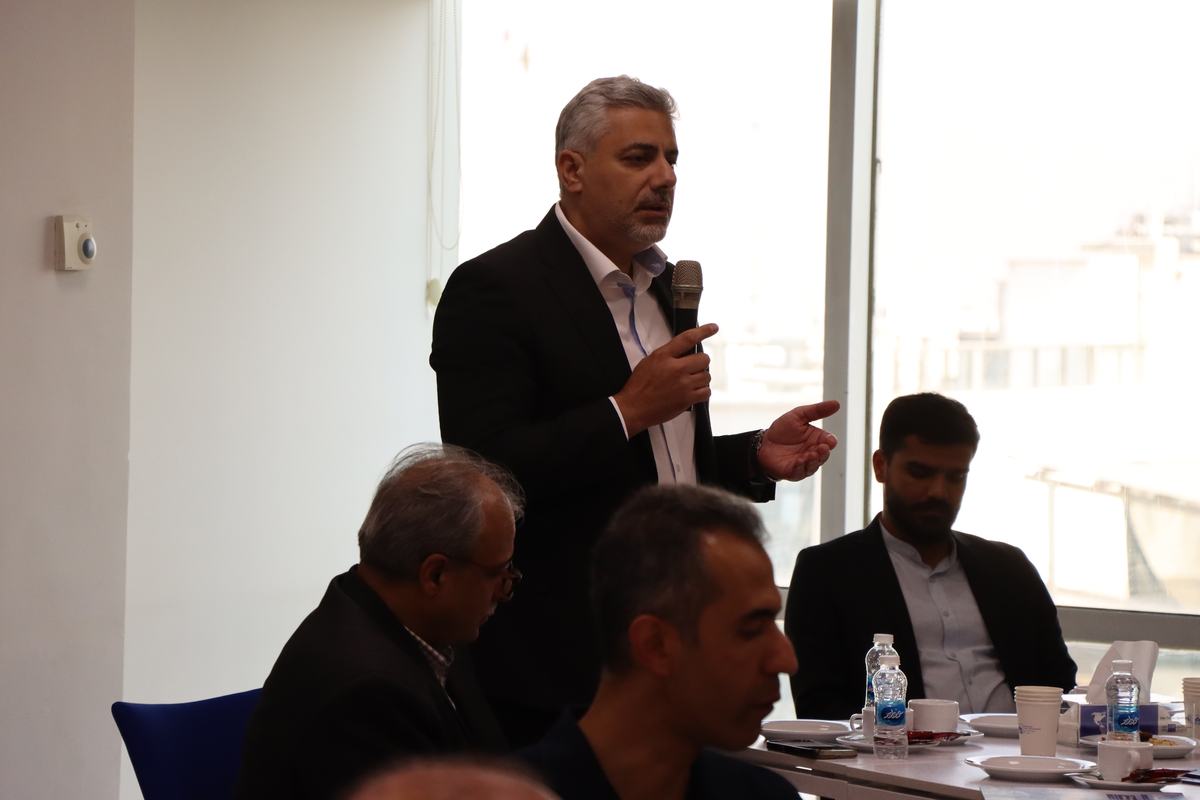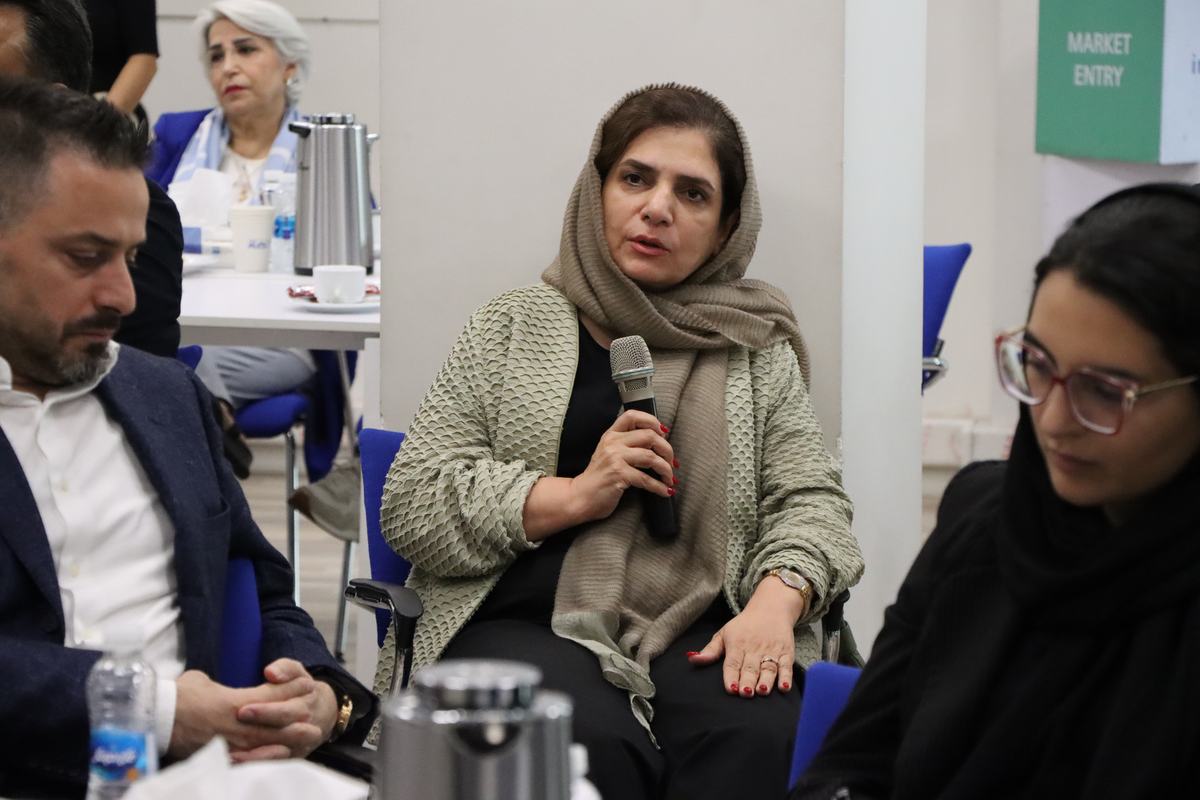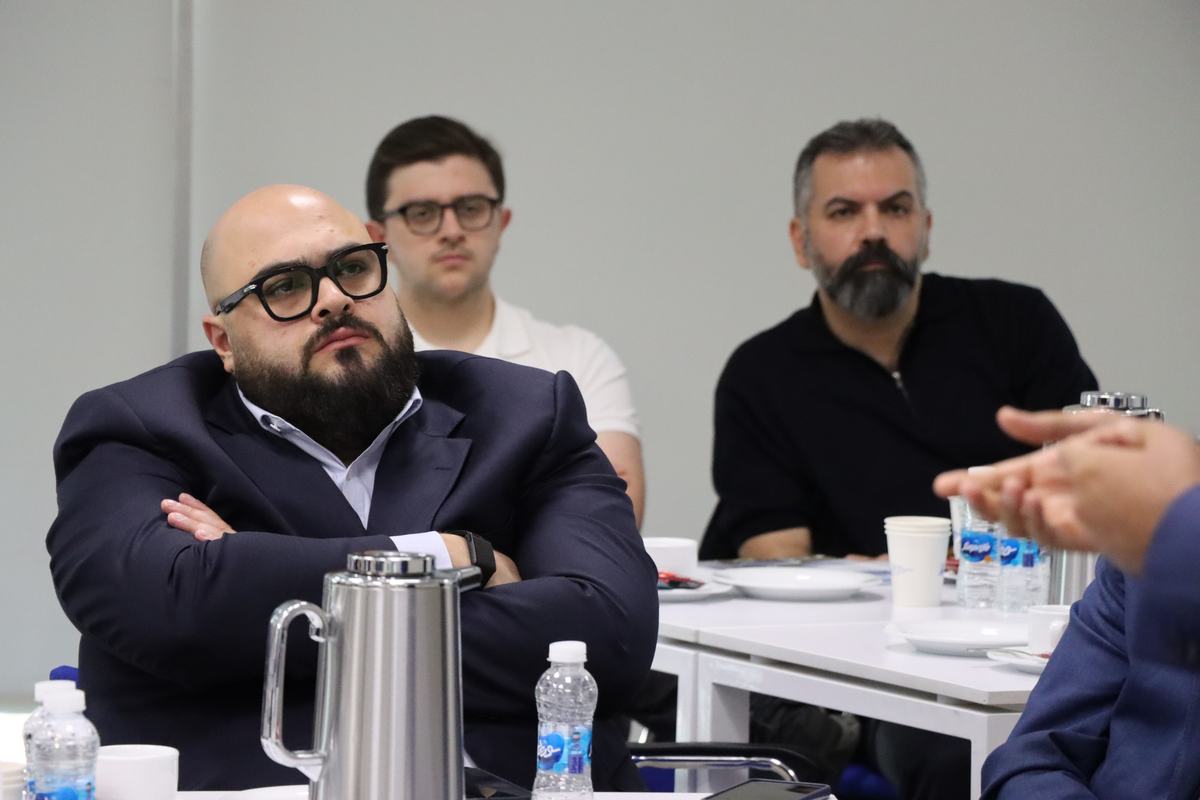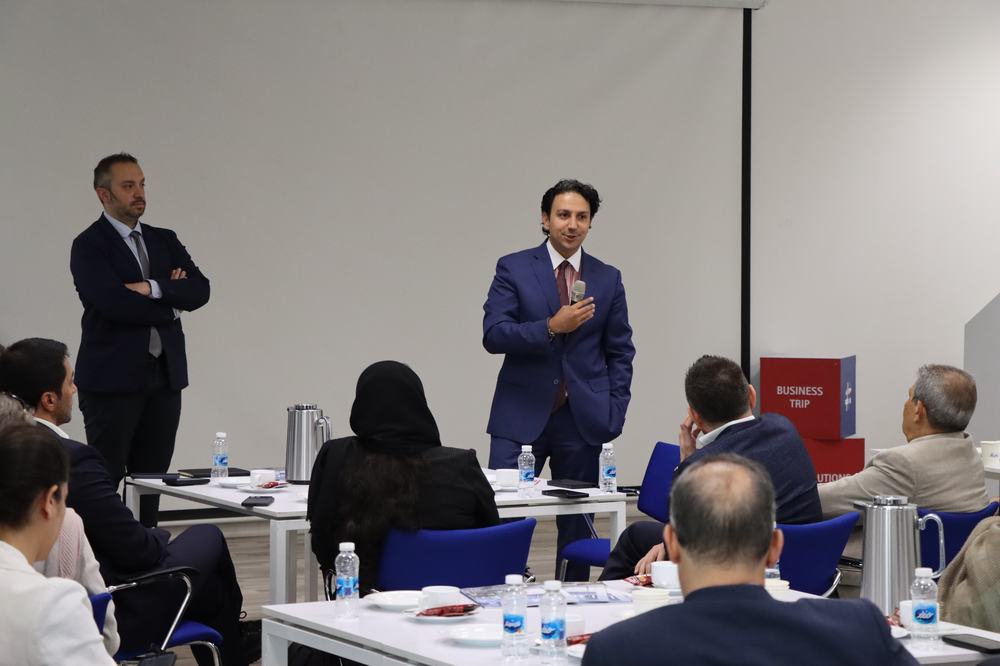
As part of its ongoing specialized meetings with members, the German-Iranian Chamber of Industry and Commerce hosted a group of managers and business representatives from the agriculture and food industry sectors.
The meeting was held at the Chamber’s premises in the presence of Shahin Asghari, President of the German-Iranian Chamber of Industry and Commerce, Arash Soltani, a member of the Chamber’s Board of Directors, and a group of prominent entrepreneurs and representatives of Iran’s food industry. Discussions focused on increasing food exports, expanding the market for halal and organic products, facilitating financial transactions, technology transfer, the targeted participation of Iranian companies in German trade fairs, and the requirements for entering the German market.
At the opening of the meeting, Asghari emphasized the importance of the food industry for the German-Iranian Chamber of Industry and Commerce, stating: “Iran’s food industry has significant potential. However, we believe that during the JCPOA period, Iran should have been better prepared to take advantage of the economic opportunities that emerged. For this reason, we believe that with the active participation of food industry stakeholders, there are serious prospects for expanding trade relations with Germany in this sector. The largest share of Iran’s exports to Germany is related to the food industry. Given the size of the German food market, Iran can nevertheless count on expanding trade interactions with this country.”
Asghari also highlighted Germany’s position as Iran’s most important trading partner in Europe and emphasized the considerable potential of the German market. Germany’s €32 billion in food imports and the role of the German-Iranian Chamber of Industry and Commerce in increasing Iran’s share of this market were among the main topics discussed at the meeting.
In this context, participants identified increasing exports of Iranian halal products and expanding the presence of Iranian companies in the organic products market as important objectives. They also emphasized the need to identify practical solutions for Iranian companies to enter the German market despite the restrictions and challenges arising from sanctions.
Rashid Azizpour, Chairman of the Food Industries Commission of the Iran Chamber of Commerce, Industries, Mines and Agriculture, referred to Iran’s potential in the food industry, stating: “One of the main objectives of Iranian companies is to increase exports of halal products and strengthen the presence of these products in international markets. In addition, entering and expanding into the organic products market is another important objective that can create significant opportunities for the development of Iranian exports. Given Iran’s production capacities and the growing global demand for halal and organic products, improving quality, complying with standards, and strengthening packaging can help Iranian companies establish a stronger presence in these markets.”
Kaveh Zargaran, a member of the Iran Chamber of Commerce’s Delegates Assembly, emphasized the considerable potential of Iran’s food industry and the need to expand trade cooperation between Iran and Germany, stating: “Iran’s food industry has significant potential for export development and for establishing a presence in international markets. Strengthening trade cooperation between Iran and Germany can help make better use of these capacities, expand markets for Iranian products, and create new opportunities for cooperation between economic actors in the two countries.”
Abolhasan Khalili, CEO of Ghoncheh & Nazgol, also emphasized the importance of the targeted participation of Iranian companies in international trade fairs, stating: “One of the important measures for export development is to send targeted and specialized delegations to trade fairs in various industries, particularly the food industry. These delegations can identify suitable markets, establish direct contacts with business actors, and explore cooperation opportunities, thereby creating new business opportunities and supporting the export development of Iranian companies.”
The President of the German-Iranian Chamber of Industry and Commerce also referred to measures already taken in this area, stating: “The Chamber has so far sent specialized delegations from various industrial sectors to Germany and continues to work, according to the needs of each industry, to support and facilitate the presence of Iranian business representatives in the German market.”
The meeting also addressed technology transfer and the use of German technical expertise and equipment. Challenges related to financial transactions and insurance, as well as possible solutions to facilitate these processes, were also discussed. One of the participants referred to the import of German machinery into Iran and emphasized the need to facilitate the presence of German technicians and specialists for the installation, commissioning, and operation of this equipment, calling for a stronger role for the Chamber in this area.
In response, Asghari stated: “In the area of trade, the Chamber can provide business actors with information and standards required by the German market, enabling companies to gain a more accurate understanding of market requirements and better prepare for exports and the expansion of their activities.”
Hooman Hajipour, Secretary-General of the Federation of Importers, thanked the German-Iranian Chamber of Industry and Commerce and emphasized the important role of the Chamber in developing and facilitating trade relations between the two countries. He also highlighted the Chamber’s role in connecting business actors and expanding trade cooperation across various industries, particularly the food industry.
The meeting concluded with an emphasis on strengthening the role of the German-Iranian Chamber of Industry and Commerce as a facilitator of trade relations, identifying new areas of cooperation, developing connections between Iranian and German companies, and creating opportunities to increase the presence of Iranian products in the German market. Participants also stressed the importance of continuing specialized discussions with stakeholders in the agriculture and food industries and following up on the proposals and issues raised during the meeting.