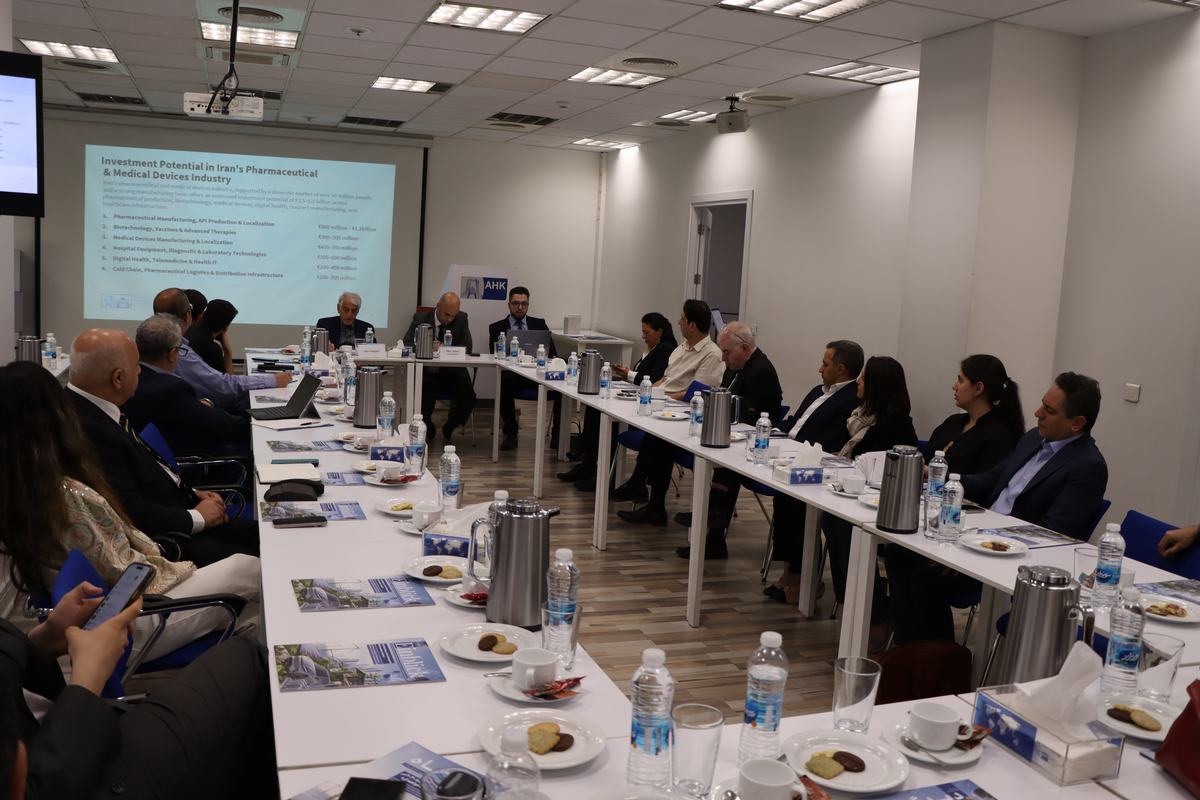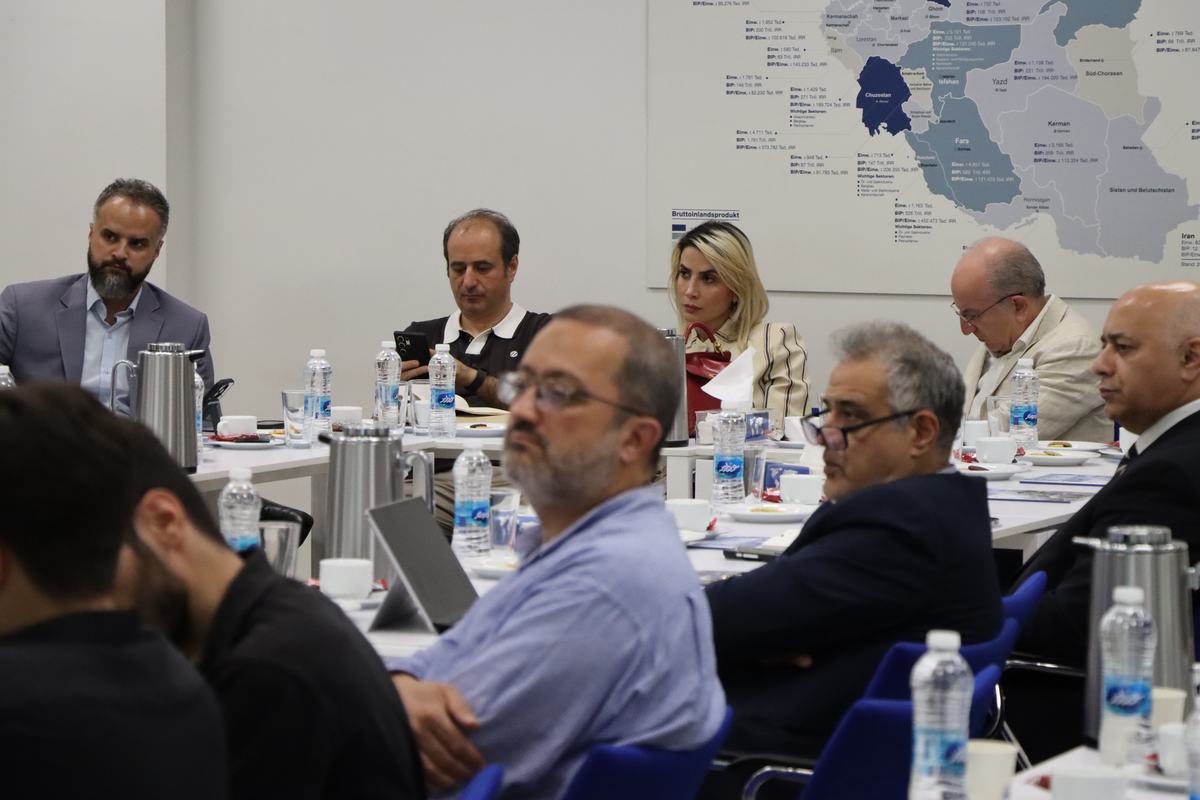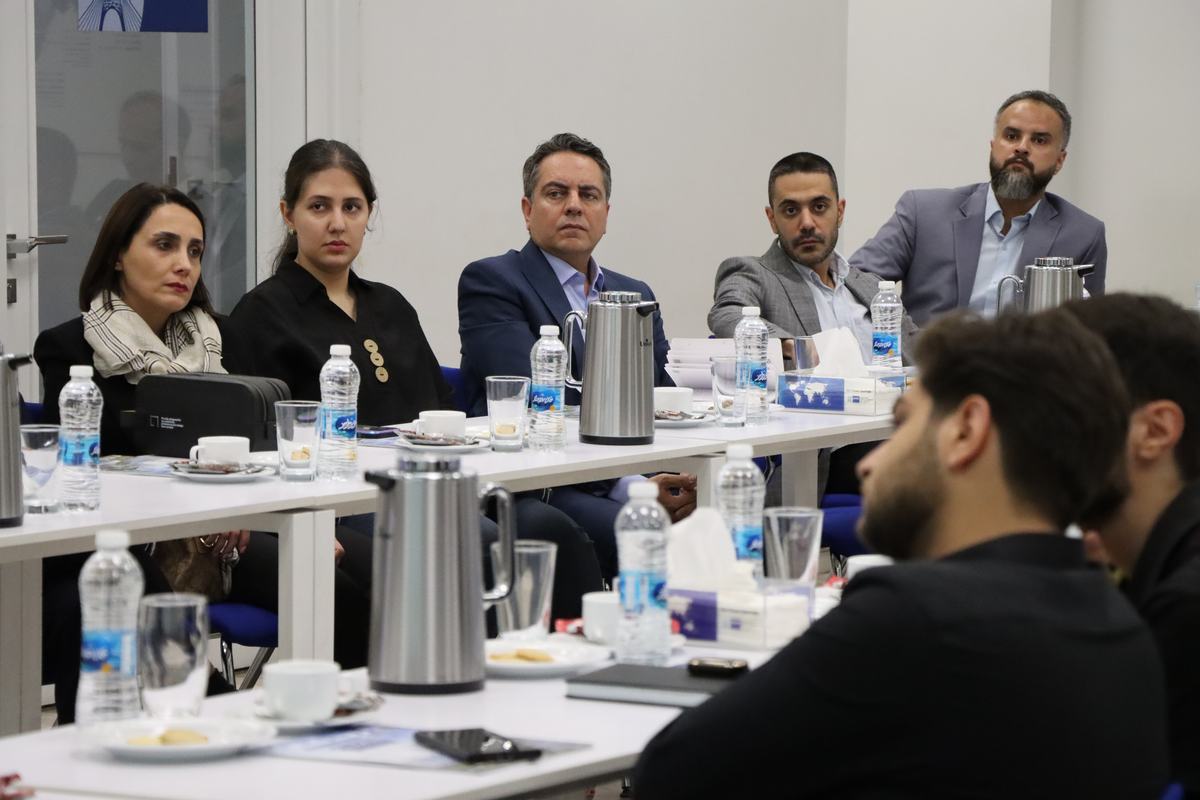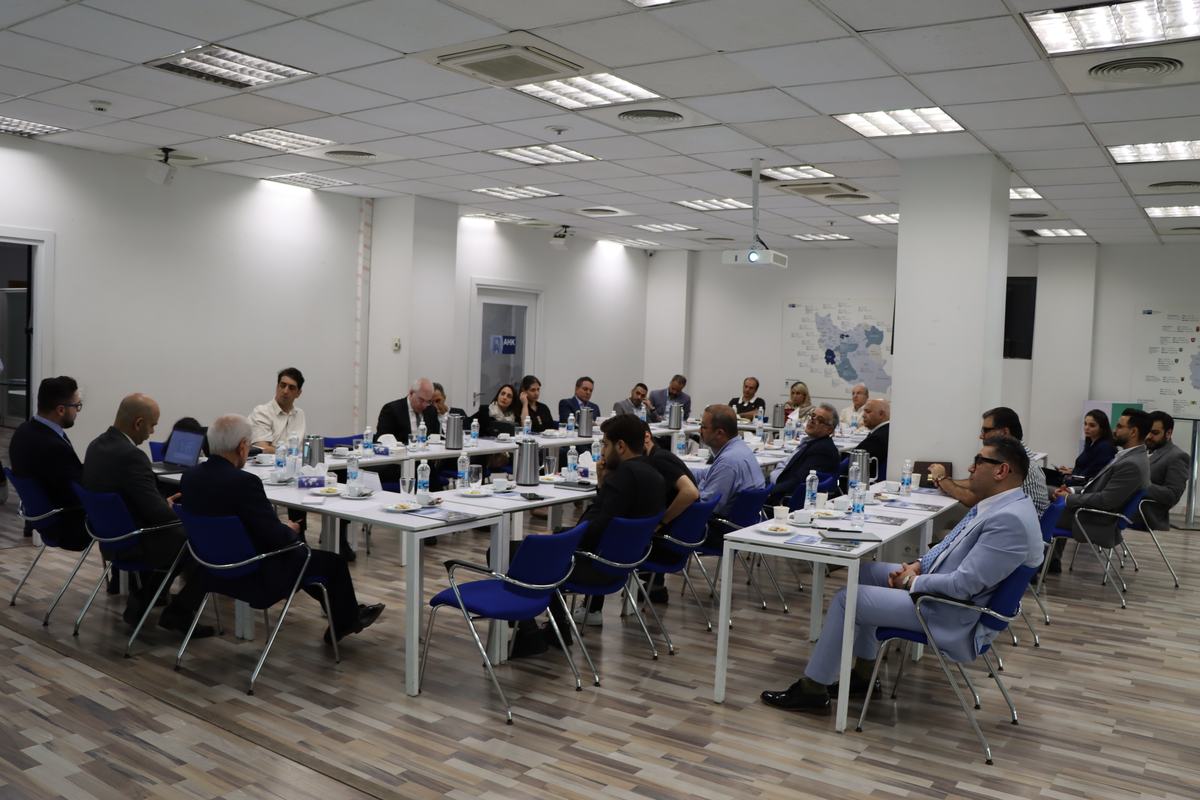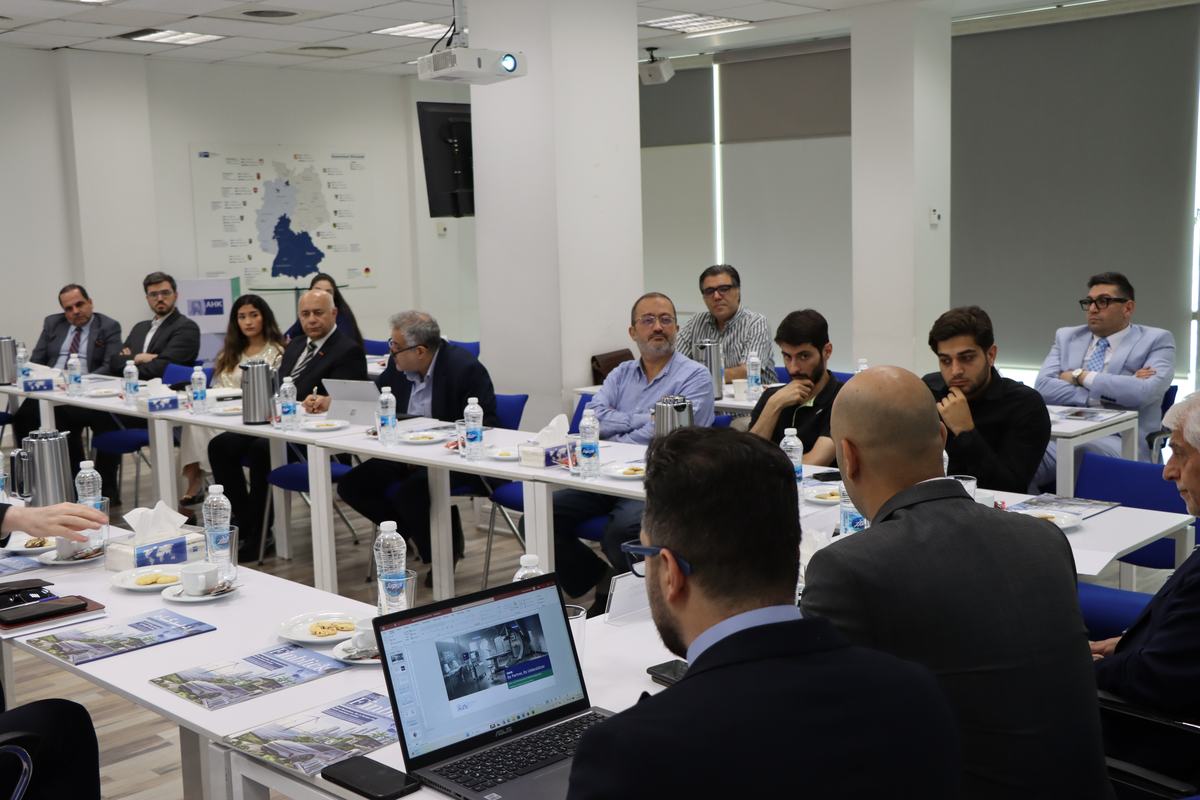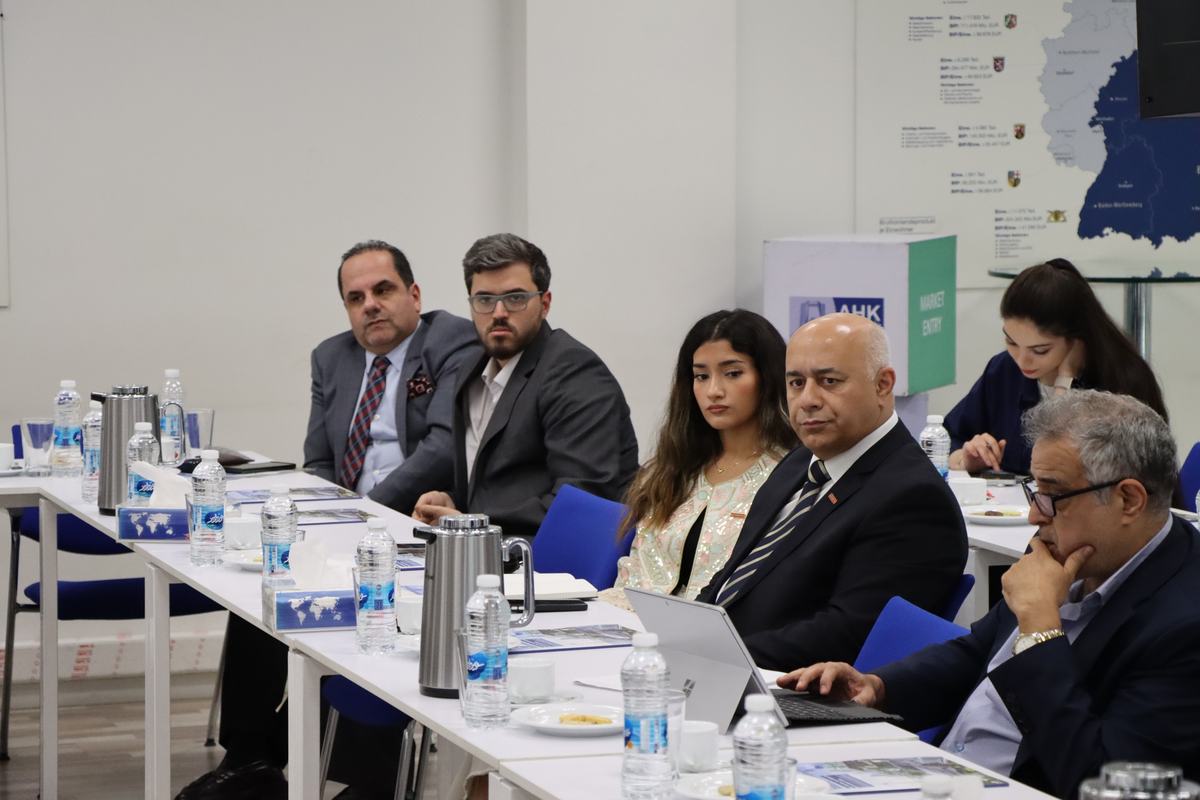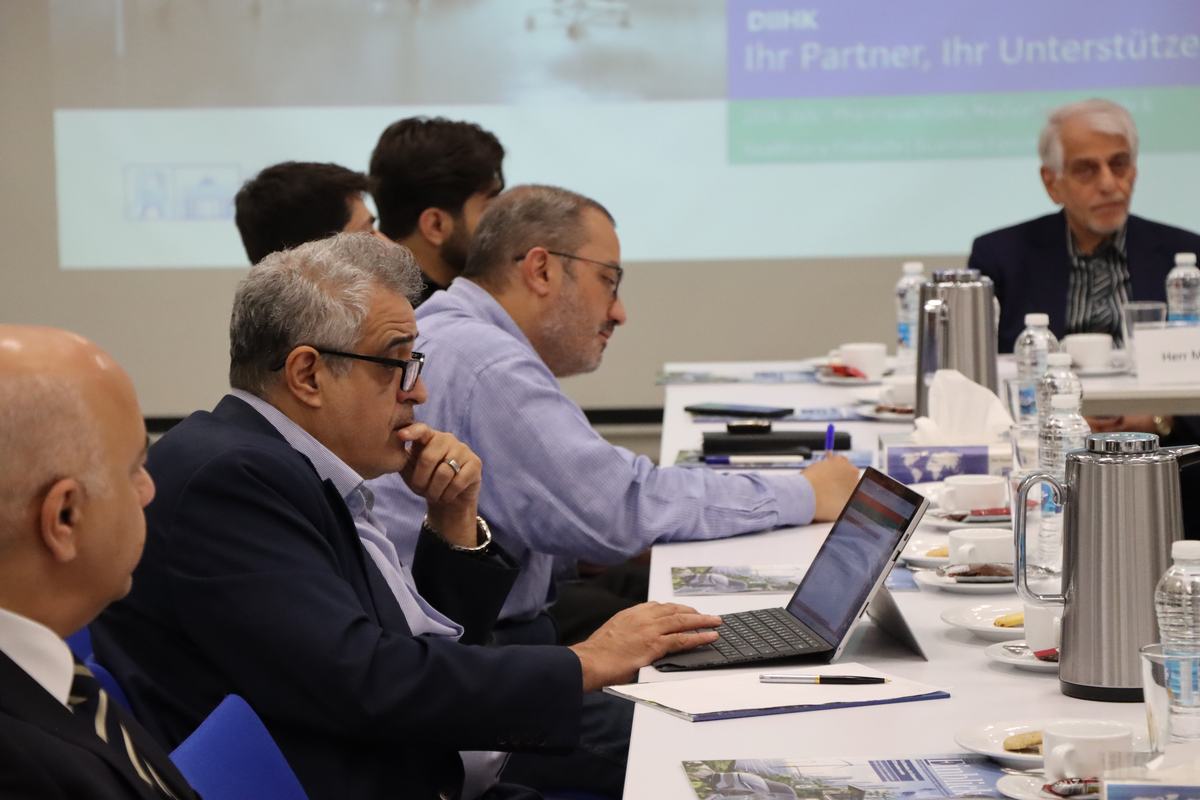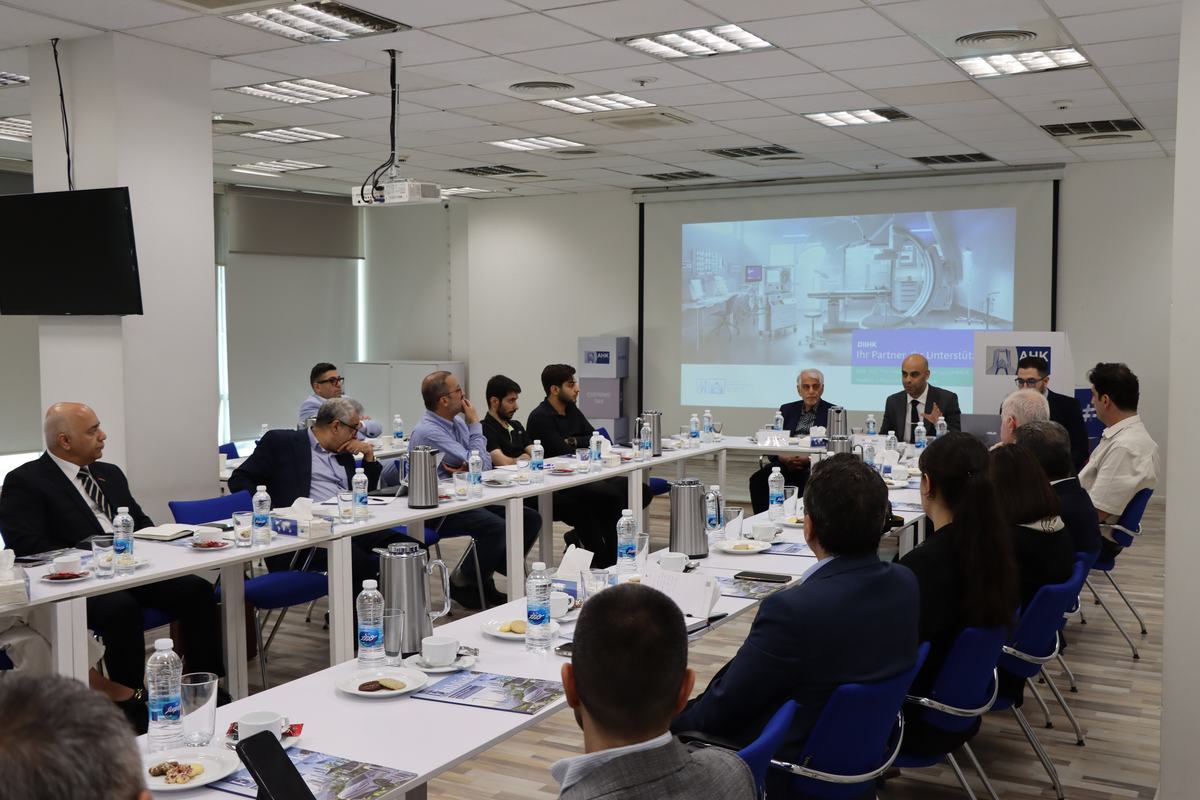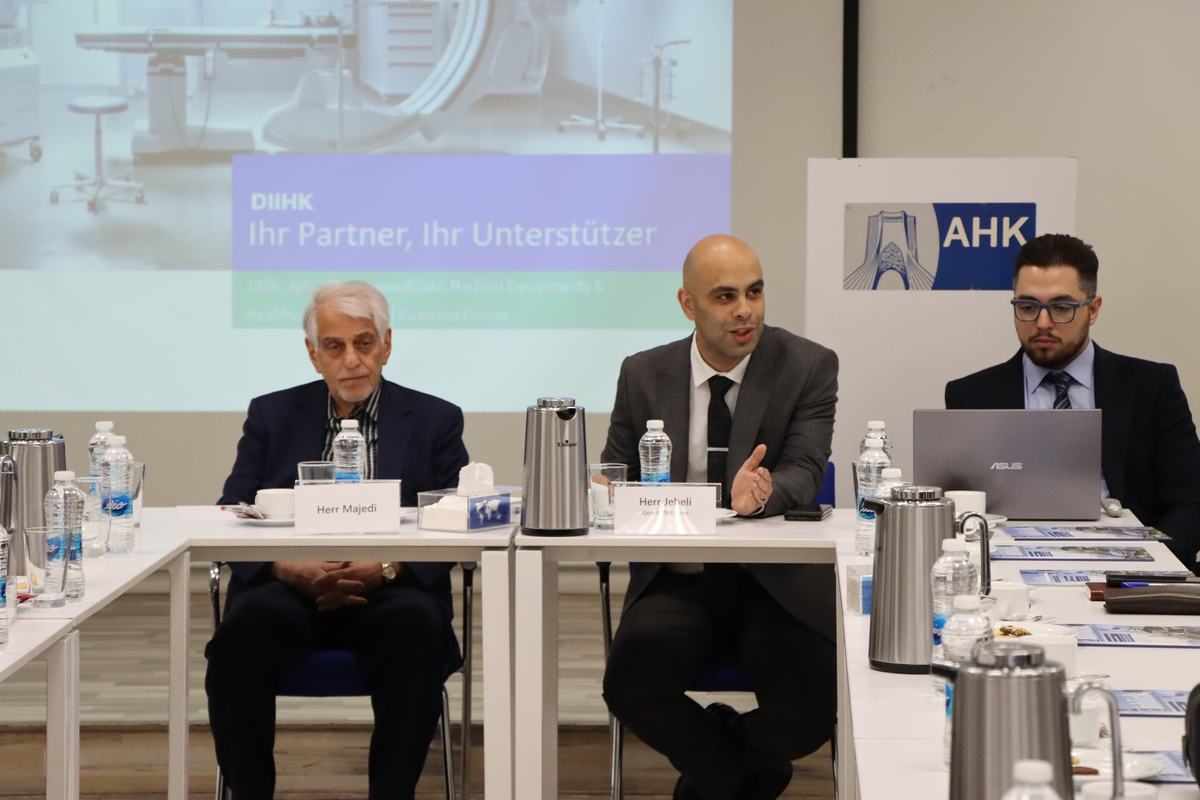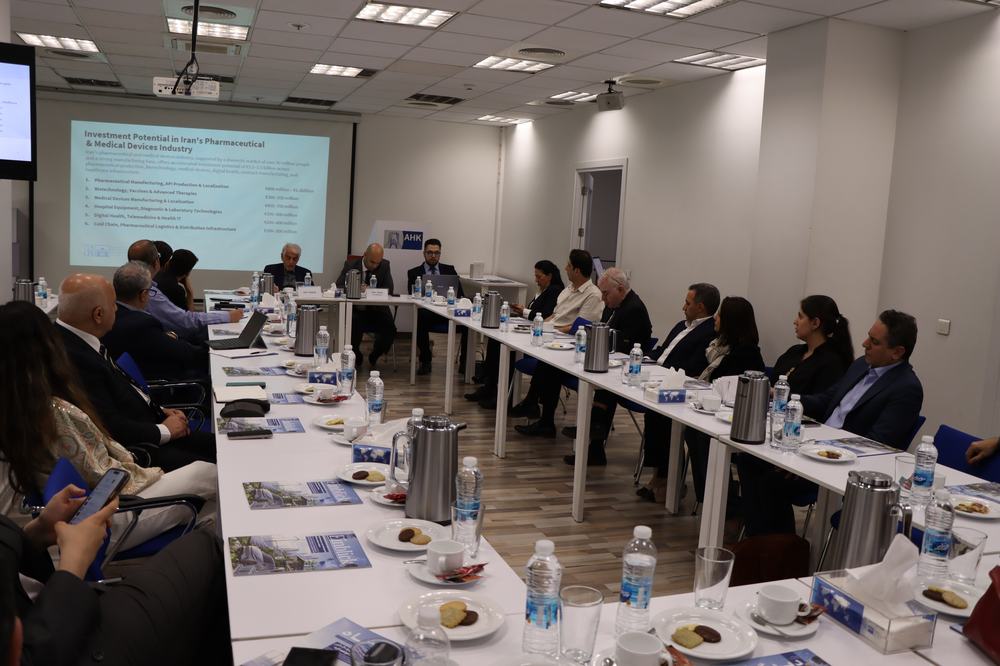
As part of its series of sector-specific meetings with members, the German-Iranian Chamber of Industry and Commerce hosted a gathering of executives and representatives from the medical devices and pharmaceutical industries. The meeting was attended by Faraz Jebeli, Managing Director of the Chamber, and Ali Majedi, Strategic Advisor to the Chamber. Discussions focused on the industry's key challenges, potential solutions to strengthen cooperation, and new opportunities to expand trade relations between Iran and Germany.
At the beginning of the meeting, Chamber representatives highlighted the impact of sanctions, war, and the current economic challenges, emphasizing the importance of maintaining close dialogue with members and incorporating the experiences and perspectives of business leaders into the Chamber's future planning. In this context, a series of sector-specific meetings was introduced as part of the Chamber's ongoing efforts to identify members' needs, assess existing challenges, and develop practical solutions to support businesses.
Participants also stressed the importance of preparing the necessary infrastructure to facilitate economic cooperation once conditions improve. Key topics included the establishment of reliable banking channels, the promotion of technology transfer, and the strengthening of commercial cooperation between Iranian and German companies. In addition, the Chamber's specialized services in company due diligence, commercial risk assessment, and business partner verification were presented as valuable tools for reducing the risks associated with international business cooperation and enhancing confidence among companies.
Representatives of the medical devices and pharmaceutical sectors also shared their main concerns and challenges. Among the key issues raised were the revival of cooperation with German companies, the transfer of technical know-how and technology, the expansion of cooperation in the field of dietary supplements, the use of logistics providers to facilitate transportation, and the establishment of secure financial channels for international payments. Participants further emphasized the need for practical mechanisms to facilitate business cooperation and proposed the establishment of a company or a specialized working group in Germany to support bilateral trade, strengthen cooperation between companies in both countries, and facilitate the exchange of products.
During the meeting, Ali Majedi, Strategic Advisor to the Chamber, pointed to the potential of small and medium-sized enterprises (SMEs) in Germany—particularly those located in the eastern federal states. He noted that, due to their lower dependence on the U.S. market, these companies often enjoy greater flexibility in cooperating with Iranian businesses. According to Mr. Majedi, leveraging the capacities of these companies and working through intermediary firms could pave the way for expanding bilateral trade and facilitating economic cooperation between Iran and Germany.