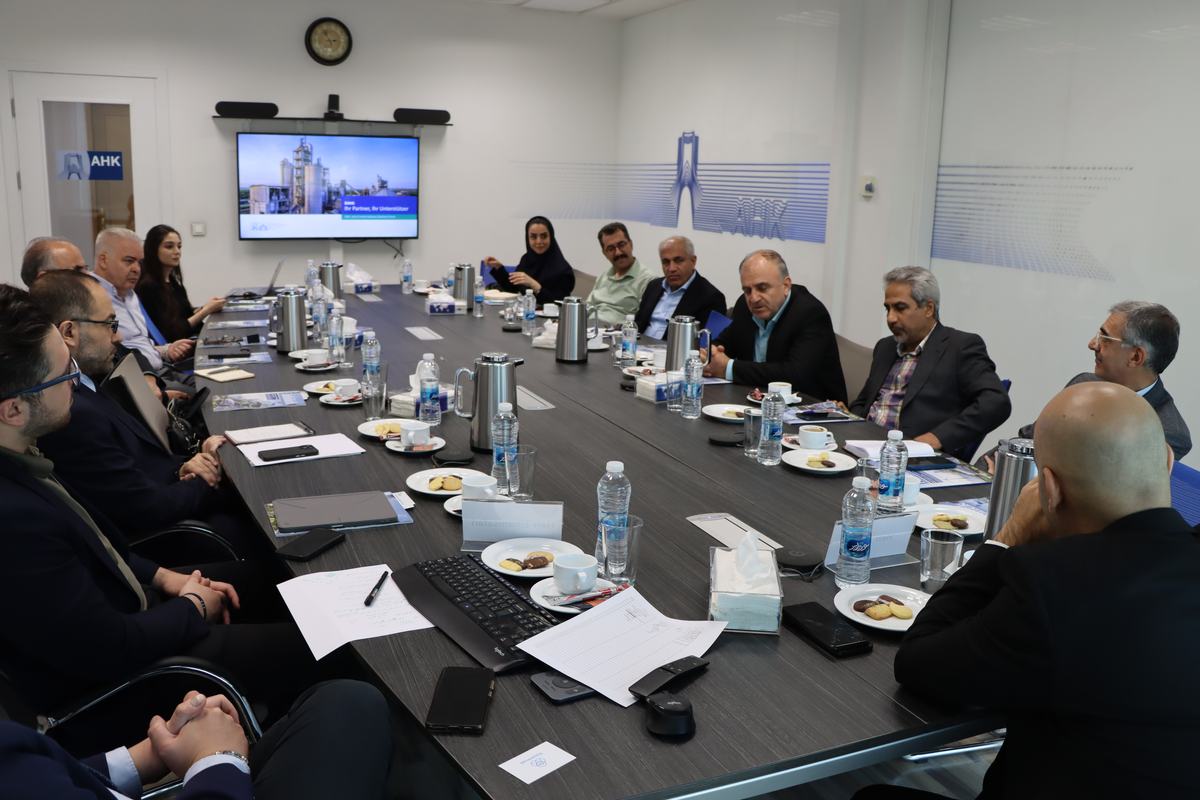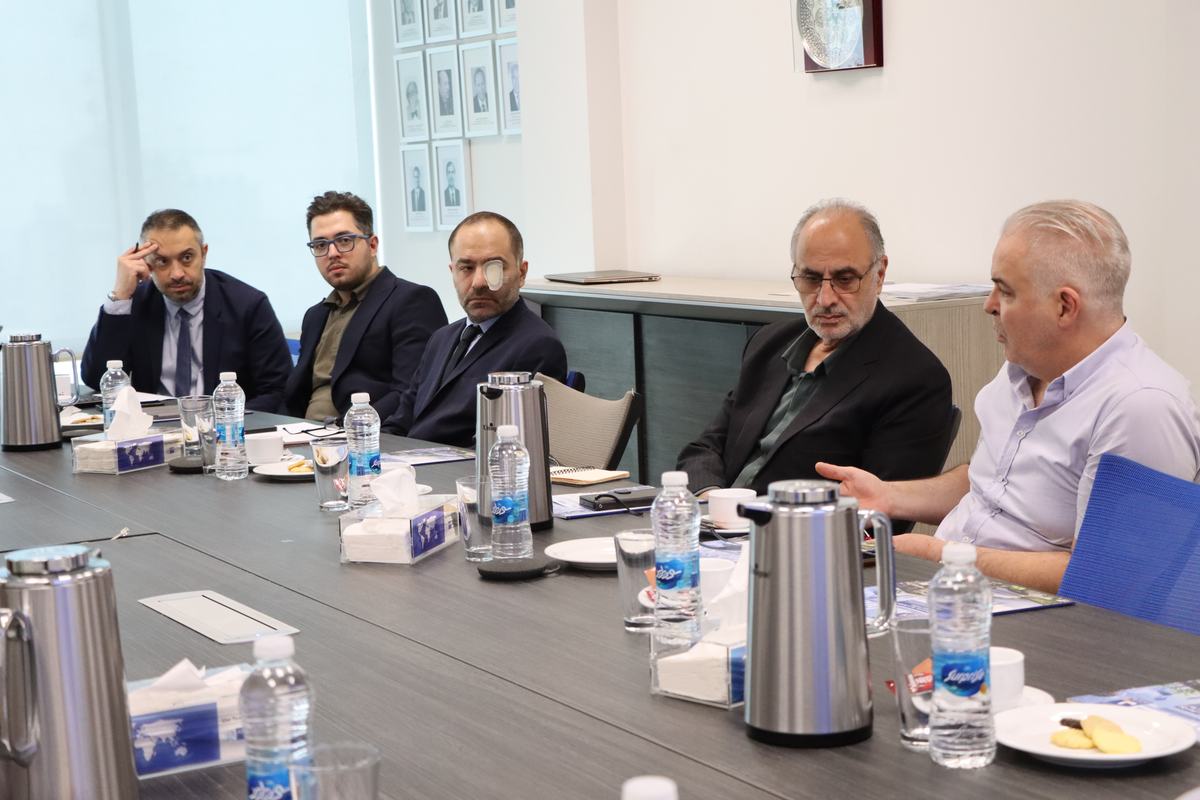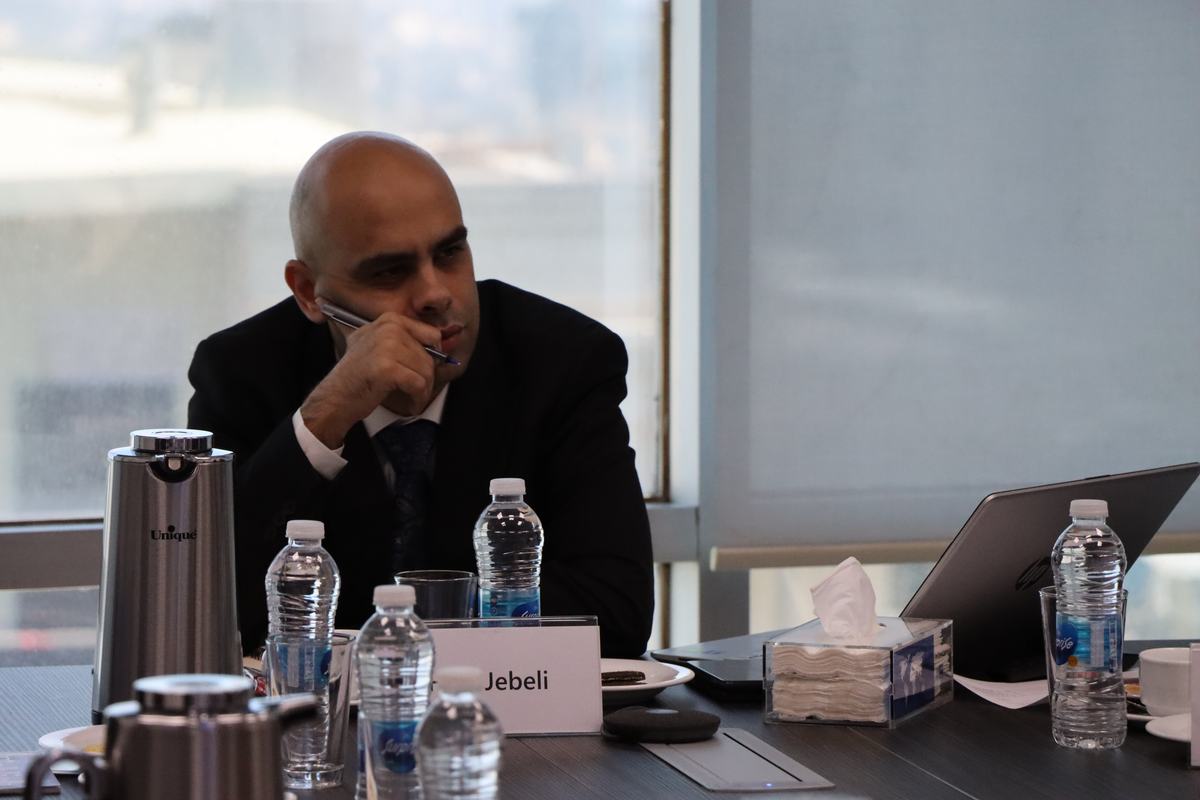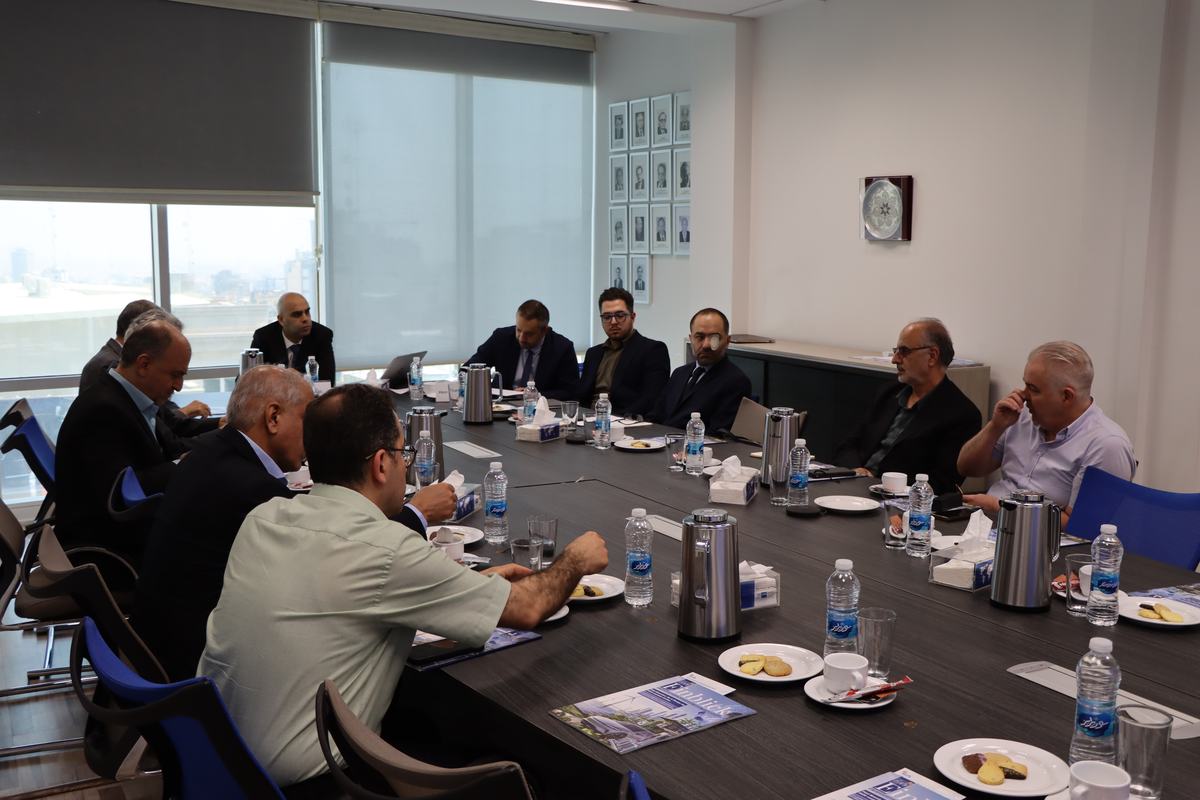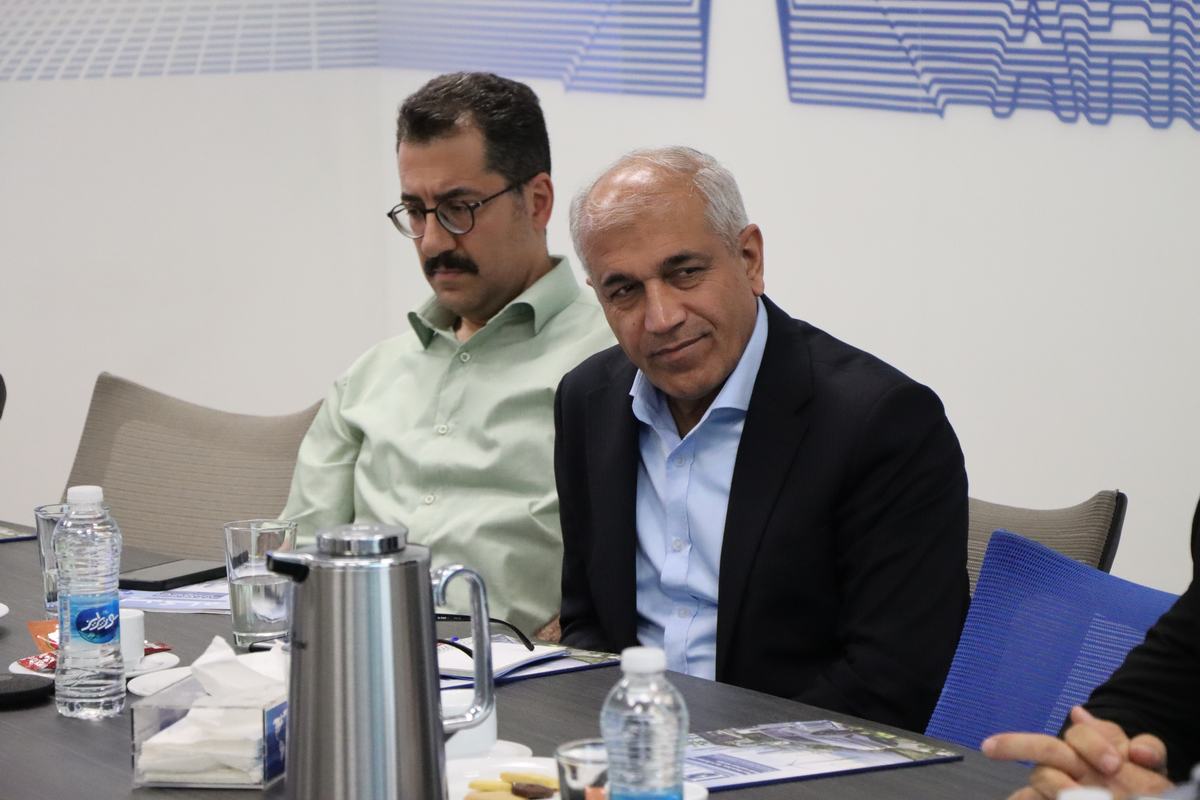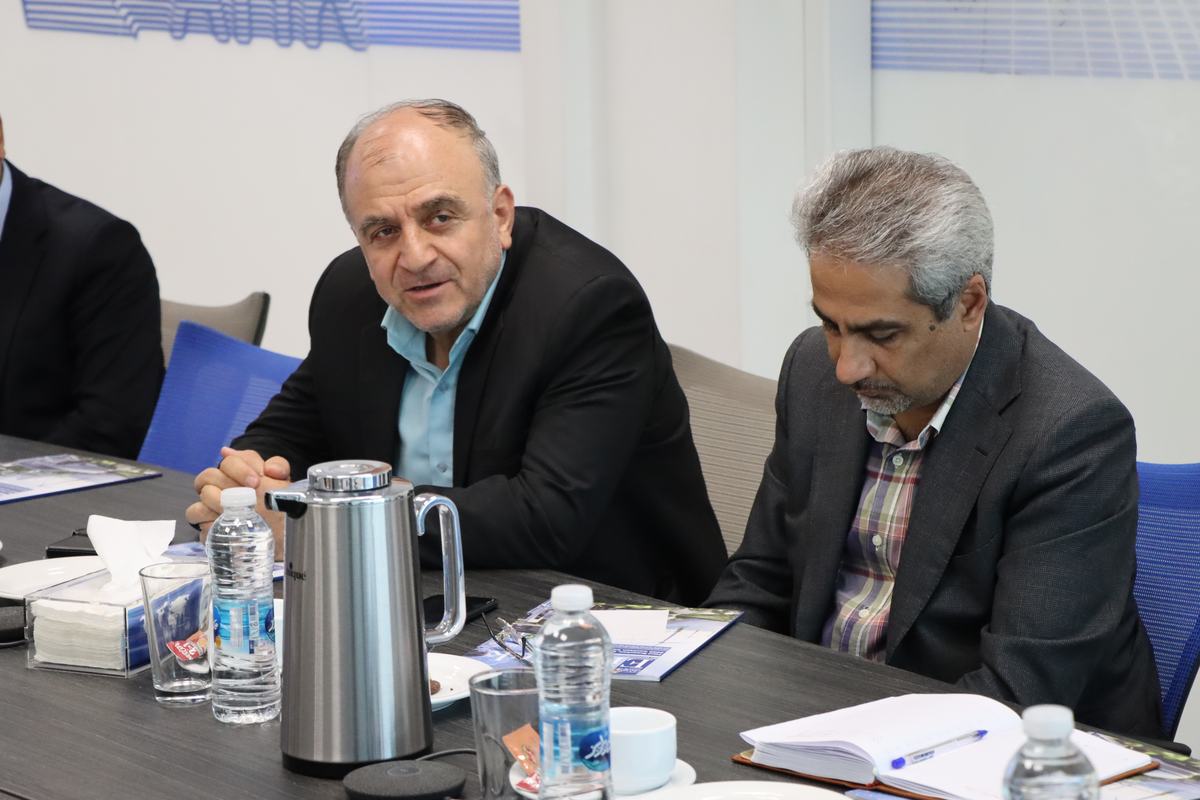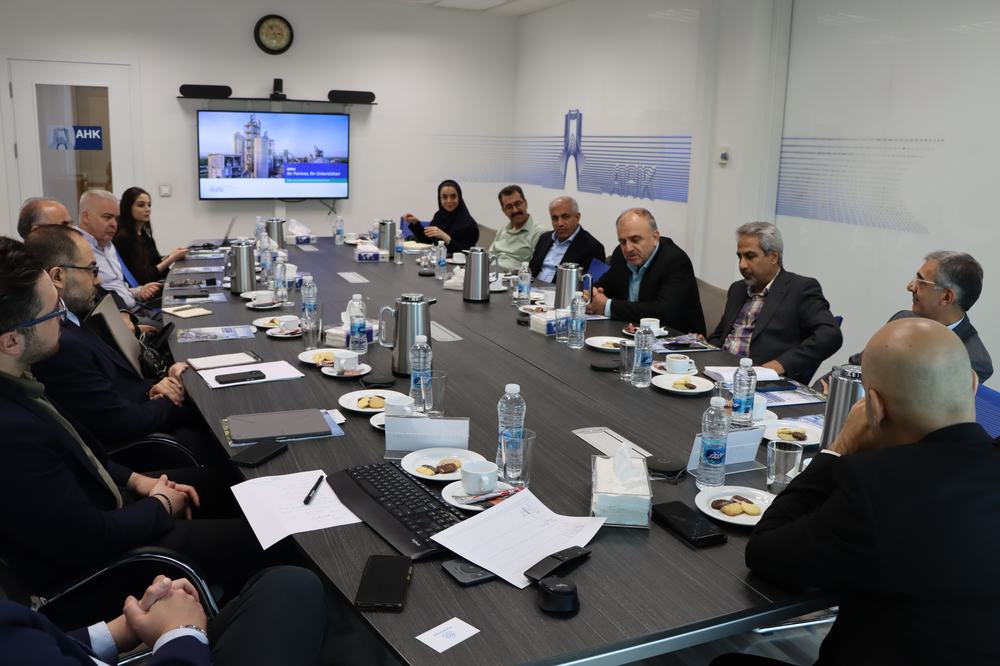
The German-Iranian Chamber of Industry and Commerce hosted the specialized forum “Strategies for the Cement Industry in a Post-Agreement Environment,” bringing together Chamber members, senior executives, and representatives of Iran’s cement industry. The event was led by Faraz Jebeli, Chief Executive Officer of the Chamber, and Kasra Emam Safari, Deputy.
In his opening remarks, Faraz Jebeli highlighted the improving outlook for economic relations between Iran and Germany and emphasized the importance of taking advantage of emerging opportunities to expand bilateral trade. Referring to the Chamber’s recent consultations with the Embassy of Iran in Berlin, he stressed the need for strategic planning in preparation for a post-agreement environment.
“The Chamber seeks to assess the specific needs of each industry in order to avoid repeating past challenges and to create the conditions for making the most effective use of future opportunities,” Jebeli said.
Representatives of the cement industry noted that the sector’s dependence on Germany for raw materials and, to a large extent, industrial components has declined over the years. However, they emphasized that German expertise and technology continue to offer significant value in modernizing industrial infrastructure and improving production capabilities.
Jebeli also underscored Germany’s position as Iran’s leading trading partner within the European Union.
“Despite the decline in bilateral trade in recent years, economic relations between Iran and Germany have remained more stable than those with many other European partners. By organizing specialized forums and providing a platform for dialogue among business leaders, the Chamber aims to help Iranian industries strengthen their presence in the German market and prepare for potential opportunities in a post-agreement environment.”
He further highlighted the Chamber’s role as an independent institution dedicated to promoting bilateral economic relations. Among its key services are business matchmaking programs, the expansion of B2B networks, specialized training, and facilitating connections between Iranian and German companies.
Participants from the cement industry emphasized the importance of maintaining and expanding economic cooperation between the two countries. They identified financial transfer difficulties, banking restrictions, risks associated with international business, logistical challenges, transportation costs, and customs-related obstacles as the main barriers to closer commercial cooperation.
The participants also stressed the need for practical solutions to reduce these barriers, facilitate trade procedures, strengthen direct business-to-business contacts, and make greater use of the Chamber’s services in identifying new partnership opportunities. They concluded that creating a sustainable platform for continuous engagement between Iranian and German businesses would contribute to higher exports, increased investment, and broader industrial cooperation in the cement sector.