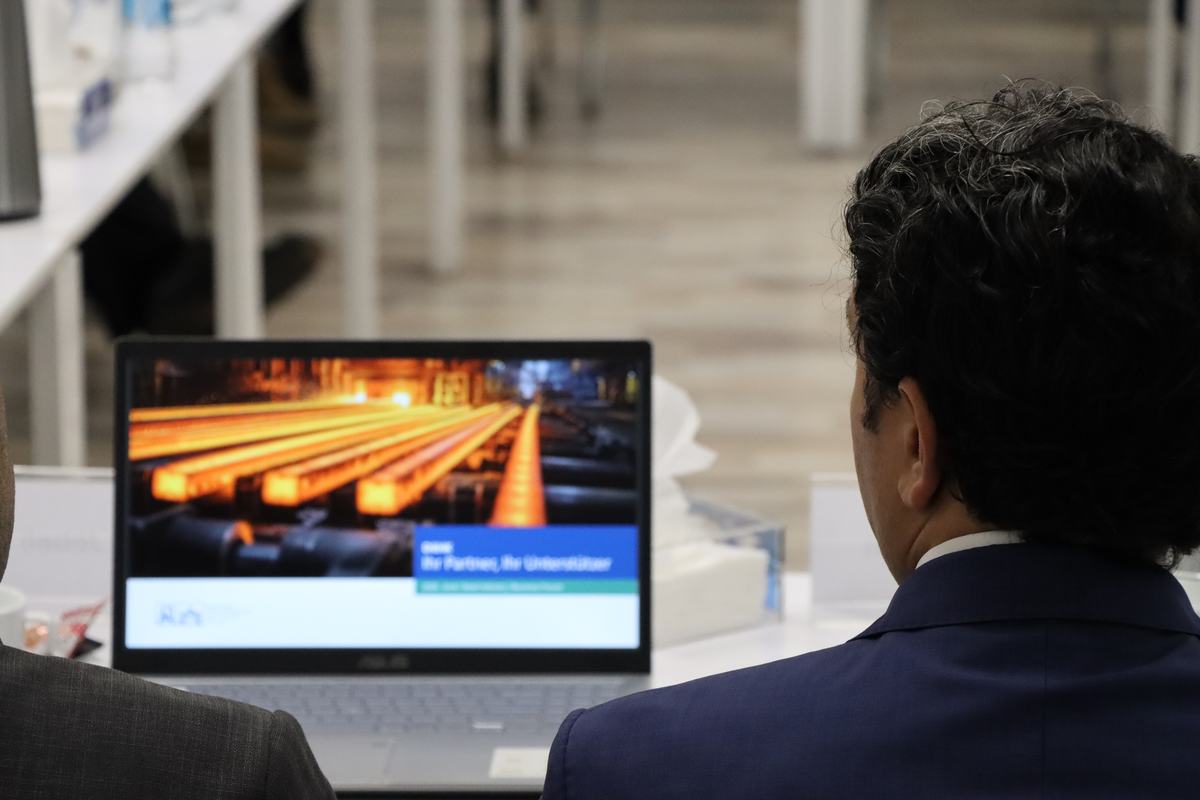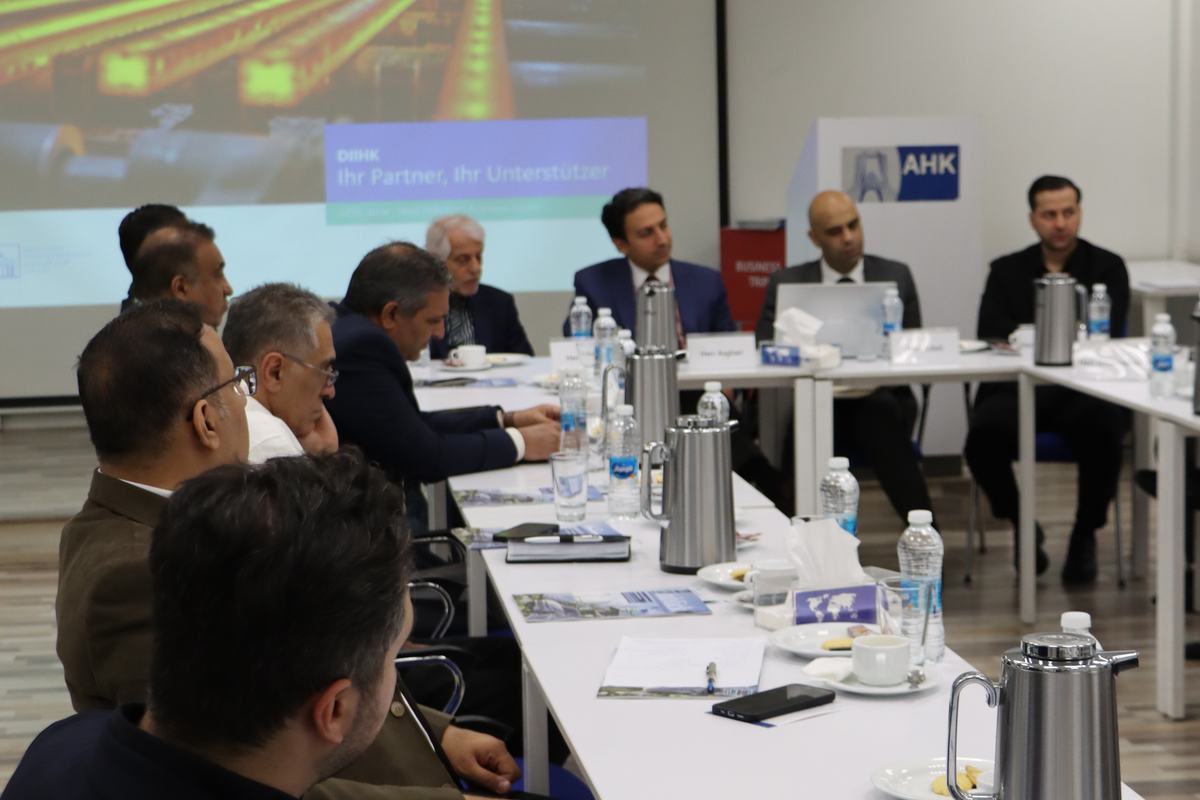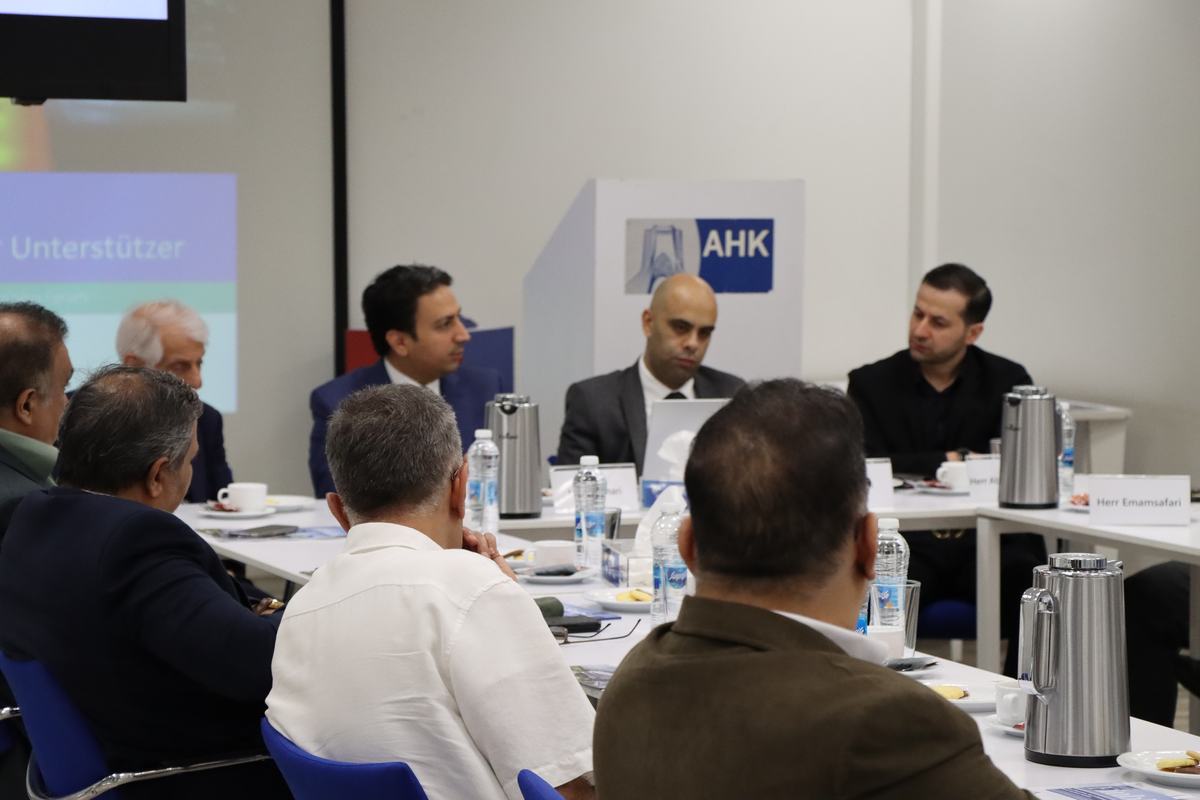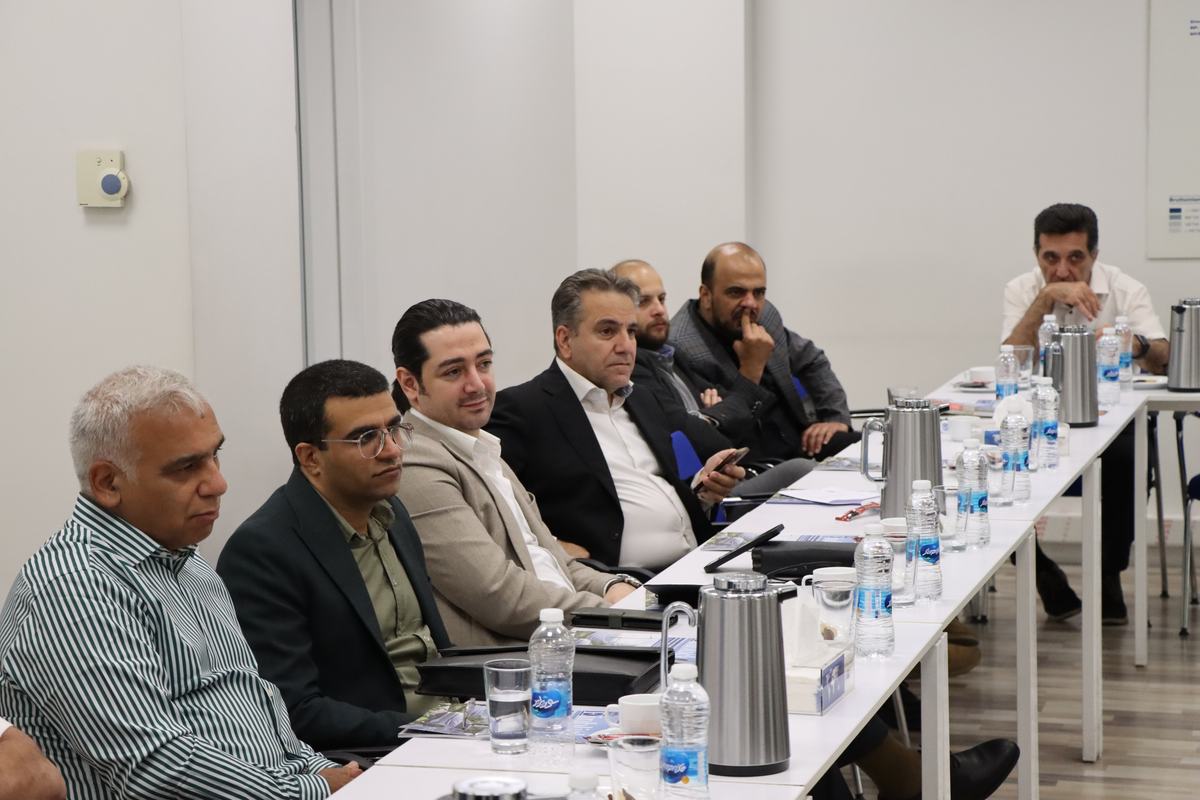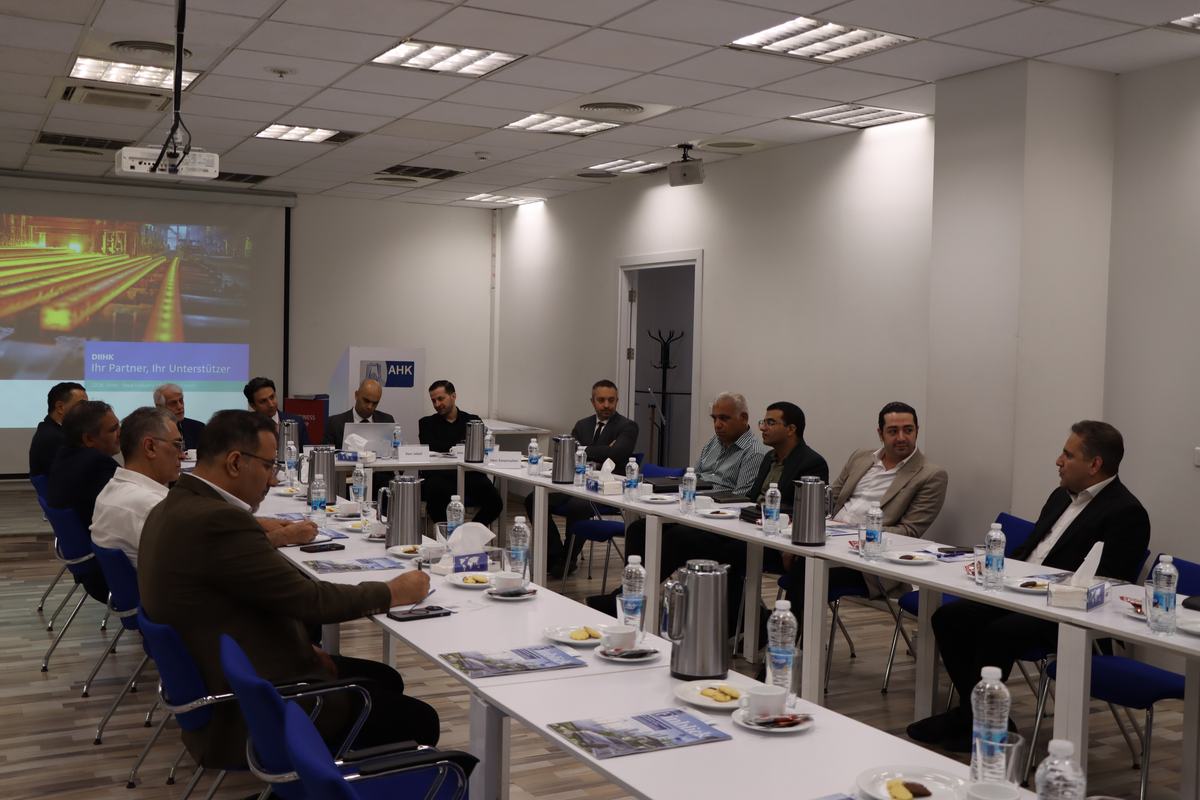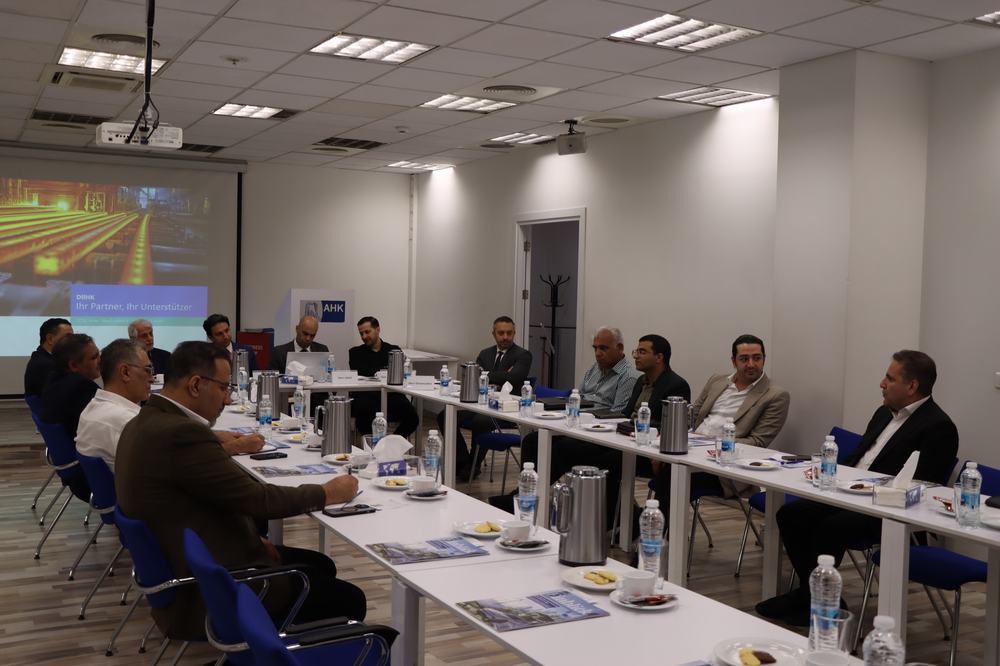
TheGerman-Iranian Chamber of Industry and Commerce hosted the “Synergy Between Chamber Members and the Steel Industry” Business Forum, bringing together Chamber members, senior executives, and leading representatives of Iran’s steel industry. The event was attended by Shahin Asghari, President of the Chamber, and Alireza Abouei Mehrizi, Member of the Board.
In his opening remarks, Shahin Asghari highlighted the improving outlook for economic relations between Iran and Germany and emphasized the importance of taking advantage of emerging opportunities to expand bilateral trade. Reviewing the current state of trade between the two countries and the potential of Iran’s steel industry, he noted that Iran’s steel exports to Germany remain well below their actual capacity.
“Germany is Iran’s most important trading partner within the European Union. Although bilateral trade has declined in recent years, the relationship has remained more resilient than Iran’s trade with other EU member states. Through business forums such as this, we aim to help prepare Iranian industries for a post-agreement environment and strengthen their presence in the German market,” Asghari said.
He identified banking restrictions, financial transfer challenges, and various operational barriers as the principal obstacles to expanding trade between the two countries.
Alireza Abouei Mehrizi, Member of the Board of the Chamber, emphasized the significant opportunities available to increase Iran’s exports to Germany. He stated that the Chamber’s primary objective is to support economic growth and export development by strengthening cooperation and commercial ties between businesses in both countries.
Participants from the steel industry stressed the importance of establishing direct business links between Iranian and German companies, professionally promoting the capabilities of Iran’s steel sector, expanding international marketing efforts—particularly through participation in specialized trade fairs in Germany—meeting international technical standards, ensuring access to trade finance and foreign exchange, and removing export barriers. They also emphasized the need to strengthen business networks, adopt advanced technologies, reduce the role of intermediaries, and promote closer cooperation between economic stakeholders in both countries.
Germany imported more than EUR 121 billion worth of metals in 2025. According to Asghari, the German-Iranian Chamber of Industry and Commerce is committed to increasing Iran’s share of this market.
Asghari also outlined the Chamber’s role in facilitating cooperation between the steel industries of Iran and Germany. He noted that the Chamber maintains regular communication with the Embassy of Iran in Berlin, where members’ commercial challenges are continuously discussed. He further emphasized that the participation of Iranian steel companies in German trade fairs plays a key role in showcasing the sector’s capabilities to the German market, citing the successful participation of Chamber members at the AMB exhibition as an example.
He concluded by noting that strengthening direct business-to-business relations remains one of the Chamber’s strategic priorities. He also highlighted the Chamber’s services—including German company due diligence, business partner identification, market intelligence, and specialized advisory services—as key tools for supporting members and facilitating bilateral economic cooperation.
Abouei Mehrizi added that Chamber members can benefit from access to specialized information on the German market and German industrial equipment. Referring to Iran’s position among the world’s leading steel producers, he emphasized the importance of greater coordination within the industry, reducing intermediaries, and making full use of the Chamber’s services to promote employment, increase exports, and improve supply chain efficiency.
One of the Chamber’s key strategic objectives is to help prepare the Iranian market for future German investment. With a current steel production of approximately 32 million tonnes and a target production capacity of 55 million tonnes, Iran’s steel industry offers investment opportunities exceeding EUR 30 billion across mining, energy, steelmaking, and downstream industries. Based on estimates by IMIDRO (Iranian Mines and Mining Industries Development and Renovation Organization) and assuming a reduction in international restrictions, the investment potential includes:
- Mining, iron ore concentrate production, pelletizing, direct reduced iron (DRI), and trade finance: EUR 5–8 billion
- Expansion of steelmaking capacity to 55 million tonnes: EUR 8–12 billion
- Power plants, electricity, gas, and energy infrastructure: EUR 3–6 billion
- Water supply, recycling, and environmental projects: EUR 1–2 billion
- Downstream steel products and specialty steels: EUR 3–5 billion
- Transportation, logistics, ports, and railway infrastructure: EUR 2–4 billion
- Equipment modernization, automation, and technology: EUR 1–2 billion
The participants concluded by emphasizing the importance of continuing sector-specific forums, strengthening cooperation between the German-Iranian Chamber of Industry and Commerce and the steel industry, and making full use of the two countries’ complementary strengths to expand exports and further deepen bilateral economic relations.